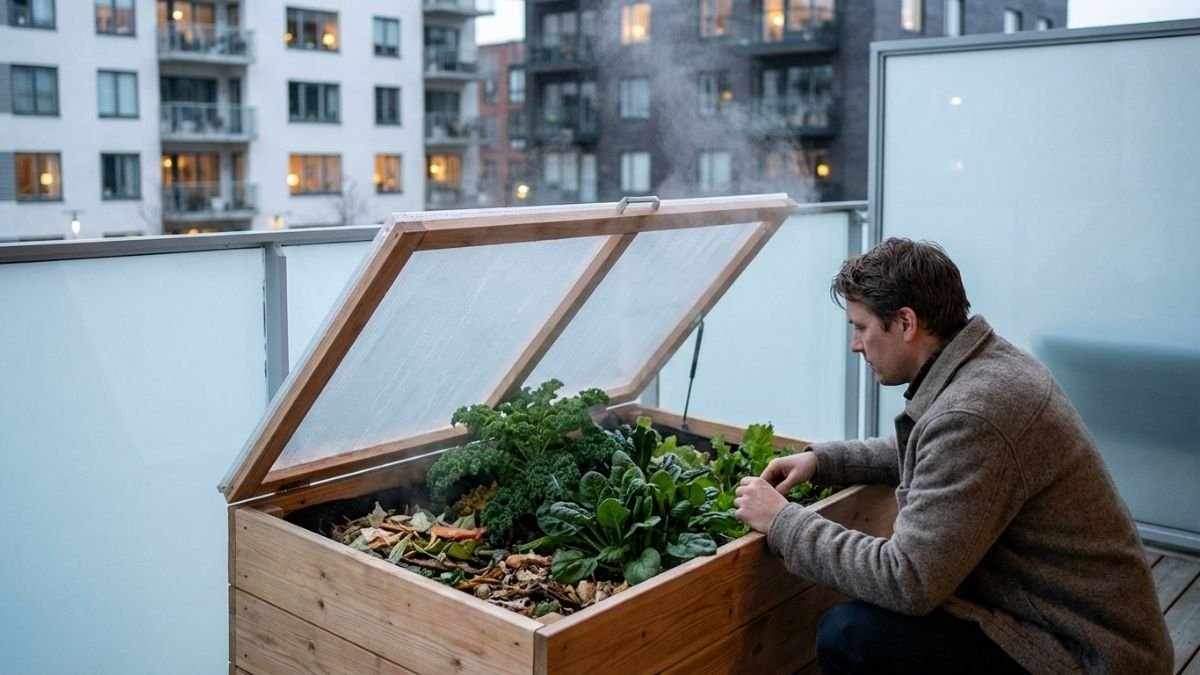
You don’t need electricity to grow tomatoes in January. While the rest of us are browsing expensive grow lights and heated greenhouse systems, a small group of gardeners is rediscovering something their great-grandparents knew by heart: a pile of rotting manure can keep your seedlings warm all winter long.
It sounds almost too simple, doesn’t it? But search interest for “hot bed gardening” has jumped nearly 300% in the past few months, and it’s not just nostalgia driving the trend. As energy costs climb and more of us crave year-round homegrown food, this centuries-old technique is having a serious moment.
Why hot beds are suddenly everywhere
A hot bed is essentially nature’s heating pad. Fresh manure or compost, when it breaks down, generates impressive heat—sometimes reaching 160°F in the first few weeks. By building a raised bed on top of this decomposing material and covering it with soil, you create a warm microclimate that can extend your growing season by months, even in freezing temperatures.
Victorian gardeners used hot beds to grow pineapples in England. Colonial farmers started peppers in March. Now, we’re bringing it back because it works without batteries, thermostats, or a single kilowatt-hour.
How it stacks up against cold frames and greenhouses
Hot beds win on cost. A basic setup requires manure (often free from farms), straw, soil, and a simple wooden frame with an old window on top. Compare that to a heated greenhouse or even a quality cold frame kit, and you’re saving hundreds of dollars.
The trade-off? Maintenance and smell. You’ll need to monitor temperature daily in the first two weeks—too hot, and you’ll cook your seedlings. And yes, fresh manure has an odor, though it fades quickly as it composts. Cold frames are passive and odorless but offer no heat source. Greenhouses give you control but demand cash and space.
For small-scale growers or anyone experimenting with winter crops, hot beds hit a sweet spot between investment and results.
Setting up your first hot bed
Start in late fall or early winter when fresh manure is easiest to find. Here’s the process we’ve tested:
Choose your manure carefully. Horse manure mixed with straw bedding is ideal—it heats consistently and breaks down well. Avoid manure from animals treated with persistent herbicides (like aminopyralid), which can damage plants for years. Ask the farm directly. Chicken manure is too intense; cow manure doesn’t heat enough on its own.
Dig down or build up. Excavate a pit about 2-3 feet deep, or build a raised frame if your ground is frozen. Fill the bottom third with the manure mixture, water it thoroughly, and let it start heating. This takes 3-5 days.
Layer your growing medium. Once the manure cools slightly (check with a compost thermometer—you want around 75-85°F at the surface), add 6-8 inches of quality soil or compost on top. This is where your seeds or transplants will live.
Cover with glass or plastic. An old window frame works beautifully. Prop it open slightly on warmer days to prevent overheating and allow airflow. Ventilation is critical—trapped moisture invites mold.

What grows best in a hot bed
Leafy greens are your safest bet: spinach, lettuce, arugula, and Asian greens thrive in the mild warmth. Start seeds directly in the bed in late winter, and you’ll be harvesting fresh salads while neighbors are still clearing snow.
Transplants also love hot beds. Start tomatoes, peppers, and cucumbers 6-8 weeks before your last frost date. The bottom heat encourages strong root development, and you’ll have robust seedlings ready to move outdoors earlier than usual.
Timing matters. January through March is prime hot bed season in most temperate zones. By April, the manure will have cooled significantly, but your bed becomes a rich, fertile growing space for spring crops.
Safety notes for families and older gardeners
Wash thoroughly after handling manure. Wear gloves, and keep a dedicated pair of boots or shoes for garden work. E. coli and other pathogens live in fresh manure, so hand hygiene isn’t optional.
Wait before planting root crops. Don’t grow carrots, radishes, or potatoes directly in the manure layer—stick to the top soil zone. The high nitrogen can burn roots, and you want a barrier between edibles and raw waste.
Test your heat before planting. A runaway hot bed can hit 140°F and kill everything. Monitor daily for the first two weeks, and don’t rush. Patience here saves you from replanting later.
The learning curve is real, but once you get the rhythm down, a hot bed can transform your winter garden. We’re not going back to waiting for May to start seeds. Neither should you.