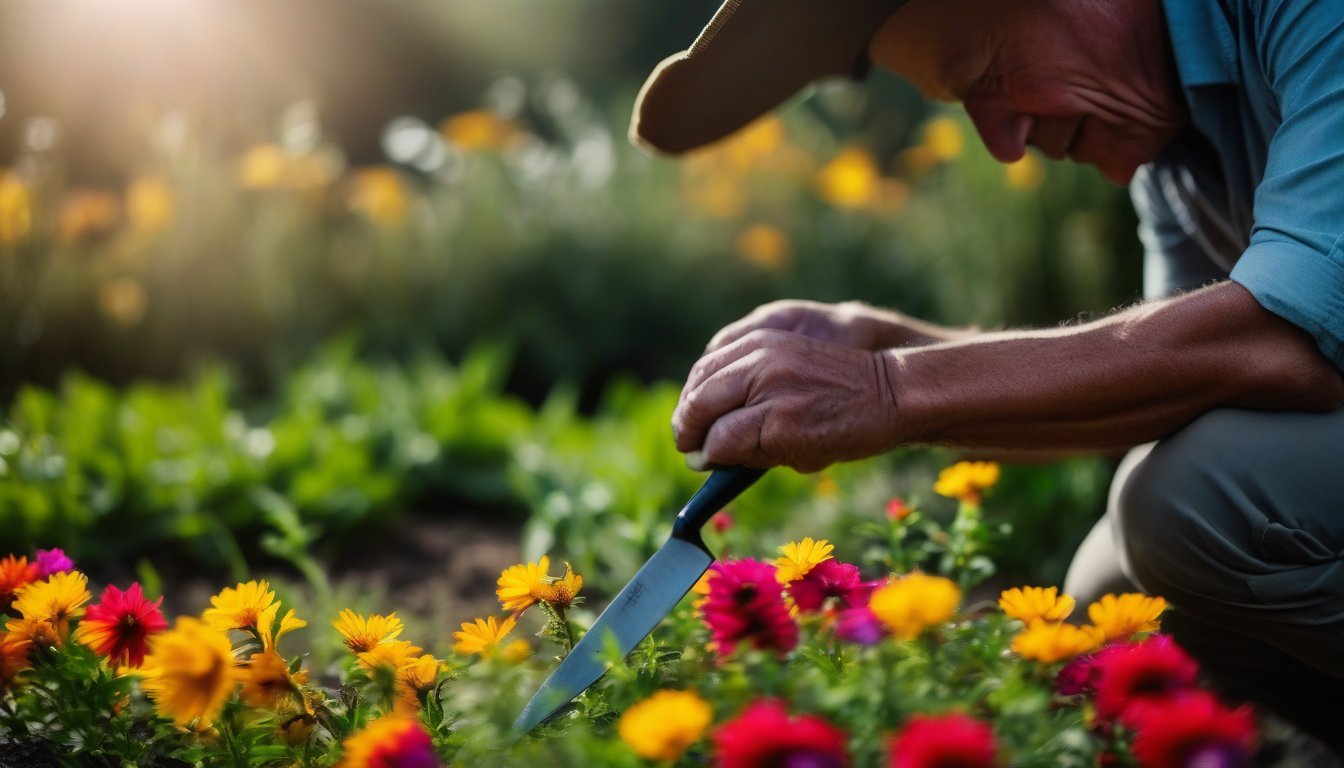
Did you know that gardening can boost your mental health just as much as a therapy session? In 2025, as we reflect on the challenges and triumphs of the past year, many of us are searching for simple, effective ways to lift our spirits. One surprising solution is planting native flowers, which not only beautify our surroundings but also provide a sense of calm and purpose.
The Connection Between Nature and Mental Health
Spending time in nature has been shown to reduce stress and anxiety. When we engage with our environment, we tap into a unique restorative power. Many people report feeling happier and more connected to the world around them after a day spent outdoors. Imagine the joy of nurturing a flower from seed to bloom; it’s a journey that can elevate your mood.

The Importance of Native Flora
Native flowers are not just pretty; they play a crucial role in our local ecosystems. By planting these species, we support the wildlife that depends on them. Birds, bees, and butterflies thrive when we include native plants in our gardens, creating vibrant, sustainable habitats right in our backyards.
The Psychological Benefits of Planting Native Flowers
Nature’s effect on mood is profound. Studies have linked exposure to green spaces with increased levels of happiness and reduced anxiety. Gardening, particularly with native flowers, has been found to serve as a form of meditation. The repetitive tasks involved in planting, watering, and weeding can clear your mind and enhance your focus.
- Gardening as Mindfulness: Engaging with the soil and watching your plants grow can ground you in the present moment.
- Fostering Community: Joining a local gardening group or community garden can connect you with others, fostering friendships and support networks.

Ecological Benefits of Native Flowers
Beyond personal well-being, native flowers contribute significantly to our environment. They provide essential support for local wildlife, offering food and habitat. By choosing native plants, you help maintain biodiversity and strengthen ecosystem resilience.
- Supporting Wildlife: Native flowers attract pollinators and other beneficial species, creating a balanced ecosystem.
- Enhancing Soil Health: Native plants improve soil quality and reduce the need for chemical fertilizers, promoting sustainable gardening practices.
Practical Steps to Start Planting Native Flowers
Ready to dig in? Here’s how you can get started with your own native flower garden:
- Choosing the Right Native Species: Research which flowers thrive in your region. Local gardening centers often have selections of native plants suited for your area.
- Creating a Native Flower Garden: Plan your garden layout, considering sunlight and water needs. Grouping plants with similar requirements can help them flourish.
- Maintenance Practices: Regular watering, mulching, and occasional weeding will keep your native garden thriving.

Case Studies and Success Stories
Several communities across the U.S. have embraced the power of native plants. For instance, a community garden in Seattle transformed a vacant lot into a blooming oasis filled with local flora, bringing neighbors together and creating a vibrant space for all.
Personal testimonials from individuals reveal the mental health benefits they’ve experienced. One gardener shared how tending to her native plants became a sanctuary, helping her through tough times.
Conclusion
As we close out 2025, consider the dual impact of planting native flowers. Not only can you improve your mental health, but you also contribute to the health of your local ecosystem. So, why not take the first step today? Gather some seeds, join a gardening group, or simply step outside and breathe in the beauty of nature. The rewards await you!