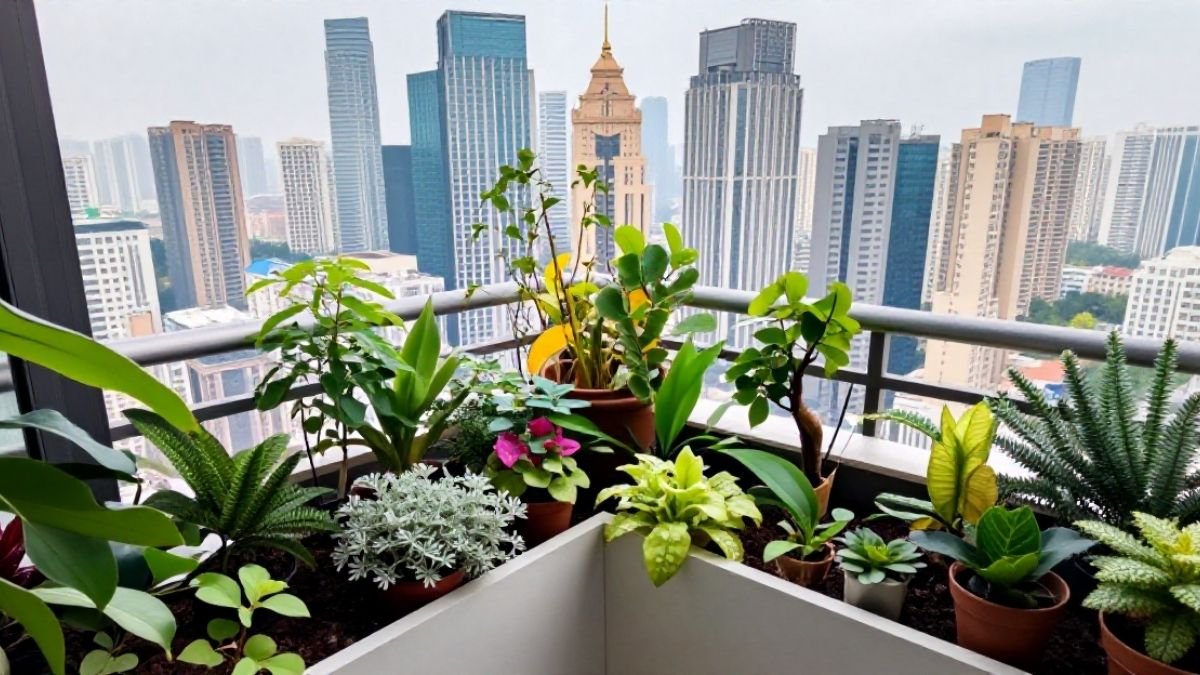
Searches for “urban gardening” have jumped more than 200% this year, and there’s a good reason for it. We’re all craving a little more calm, a little more connection, and a little more control over what we grow and eat. The good news? Even the smallest balcony can become a pocket of green that changes how we feel each day.
We don’t need acres. We don’t even need a yard. We just need a few containers, some sunlight, and the willingness to start.
What urban gardening really is
Urban gardening is any form of growing plants in a city setting. It can be container pots on a balcony, herbs on a sunny windowsill, rooftop planters, or joining a community garden plot.
If it grows and it’s in the city, it counts. And the benefits go far beyond pretty plants.

The 7 benefits that most people overlook
1. It boosts mental health
We’ve all had days when our minds race. Tending to plants slows things down. The simple routine of watering and checking leaves helps reduce stress. It gives us something steady in a busy world.
2. It lowers grocery bills
Growing herbs or greens might not replace a full grocery run, yet it cuts weekly costs. A single basil plant can replace multiple store-bought bundles. Lettuce grown in shallow trays can feed you for weeks.
3. It builds climate resilience
Small gardens help cool overheated patios and balconies. Plants absorb heat and clean the air. When many of us grow even tiny amounts of food locally, we reduce transportation emissions too.
4. It strengthens community
Community gardens create a sense of belonging. Even swapping seedlings with neighbors can open doors. We start talking. We start sharing. Suddenly, we don’t feel as isolated.
5. It encourages gentle movement
For seniors or anyone easing back into activity, gardening is ideal. It involves bending, stretching, and light lifting. Small motions add up and support mobility without strain.
6. It supports pollinators
Balcony flowers, rooftop blooms, and container veggies invite bees, butterflies, and other pollinators. Urban areas need them more than ever. A few nectar-rich plants make a real difference.
7. It becomes a learning lab for kids
Children get curious fast when they see a seed sprout. Growing food teaches patience, responsibility, and the basics of ecology. It’s hands-on science at home.
A simple starter checklist for apartment gardeners
If you’re just getting started, here’s what we’ve learned works best:
- Choose containers with drainage.
- Pick compact plants like herbs, cherry tomatoes, peppers, or leafy greens.
- Track your sunlight for one week to see what the space can support.
- Use lightweight potting mix, not heavy garden soil.
- Add a small watering can and a saucer to protect floors.
- Start with two or three plants so you don’t feel overwhelmed.
Small steps keep things fun.
A gentle first-week action plan (with safety notes for older readers)
Day 1–2: Measure your sunlight and take photos of your space.
Day 3: Buy your first two plants or seed packets.
Day 4: Set up containers at waist height if bending is uncomfortable.
Day 5: Water lightly and place a reminder on your phone.
Day 6: Observe leaves and soil. Make one small adjustment.
Day 7: Celebrate the start. Growth happens slowly, but it happens.
For older gardeners, stable surfaces matter. Keep containers where you won’t trip, choose lightweight pots, and avoid overreaching from a chair or balcony railing.
Final thought
Urban gardening isn’t about perfection. It’s about creating a calm corner that gives back to you. If you’ve been thinking about trying it, this is the moment. Start small. Start now. We’re in this together.