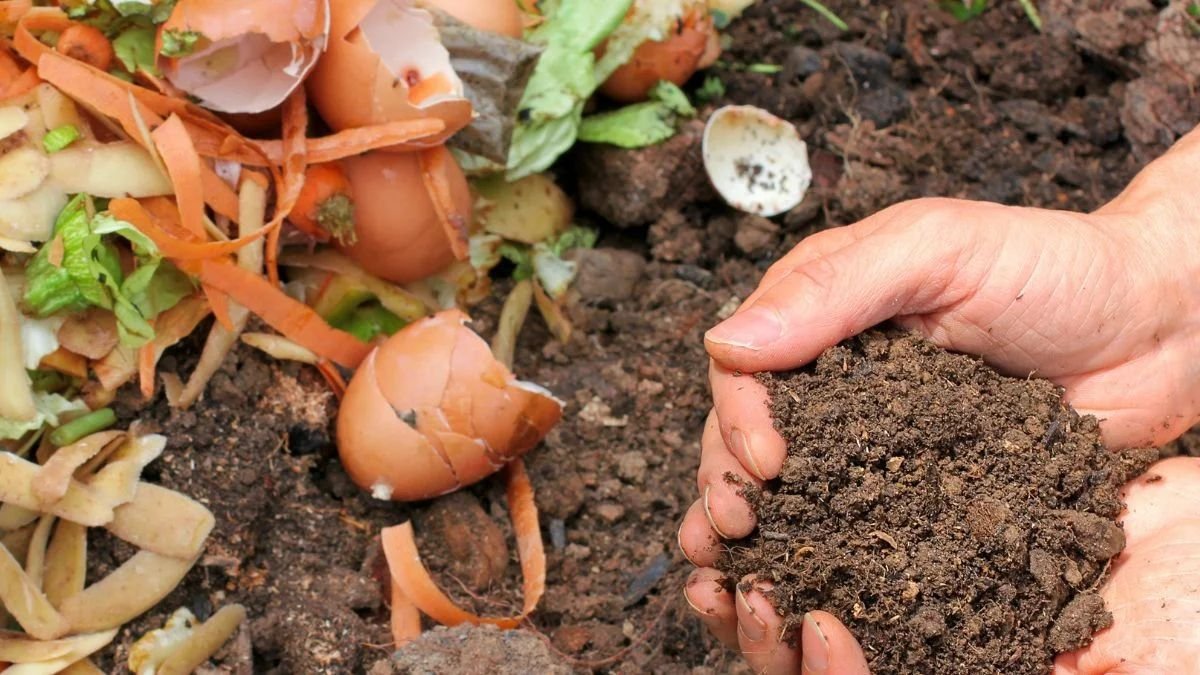
Most people toss their food scraps without a second thought. But those peels, stems, and cores could become the best allies your garden has this winter.
Here’s how those humble leftovers can work magic underground—and how to put them to work right now.
1. Feed the Soil While You Clean the Kitchen
Organic waste like fruit skins, vegetable trimmings, and coffee grounds are nutrient goldmines. When mixed into your garden beds or added to compost, they enrich the soil with nitrogen, potassium, and trace minerals plants crave—even during the colder months.
This isn’t just about making do—it’s about giving your plants the kind of slow-release fuel they need to survive and grow strong.

2. Keep Moisture Where It Matters
Winter winds and dry air can strip moisture from the soil. But compost made from kitchen waste acts like a sponge, holding onto water and gently releasing it to the roots below.
Think of it as installing a smart irrigation system, powered entirely by yesterday’s salad scraps.
3. Scrap Mulch: Your Garden’s Winter Coat
Want to fight frost without synthetic covers? Spread a blanket of organic material—shredded food waste included—over your garden beds.
This mulch layer locks in warmth, slows down weed growth, and stabilizes soil temperatures, creating a cozy microclimate for delicate roots to rest until spring.
4. Build Balance for Cold-Hardy Crops
Winter vegetables like kale, Brussels sprouts, and chard demand a unique mix of nutrients to withstand chill and thrive. By layering in diverse organic materials, you tailor the soil environment for their specific needs.
The result? Crops that not only endure but often taste better, thanks to the stress-induced sweetness cold temperatures bring.

5. Cut Waste, Boost Purpose
Every peel you compost is one less item in the landfill. That’s a powerful act. Beyond reducing methane emissions, using food scraps this way creates a closed-loop system where nothing goes to waste.
It’s gardening with a conscience—one that aligns with a future we all need to grow toward.
6. Pest Defense Without the Poison
Certain scraps double as natural deterrents. Crushed eggshells can repel slugs. Citrus peels can keep cats out of raised beds. Even garlic skins, when steeped into a spray, can ward off aphids.

It’s like having a natural toolkit on your countertop, waiting to be activated.
7. Compost: The Living Heart of Winter Gardening
At the center of it all is compost. Not the dry, lifeless kind, but the rich, microbe-loaded blend that transforms your waste into a wellness elixir for plants.
By feeding this ecosystem through winter, you’re not just helping your garden. You’re keeping the soil’s living network strong and ready for spring’s burst of life.