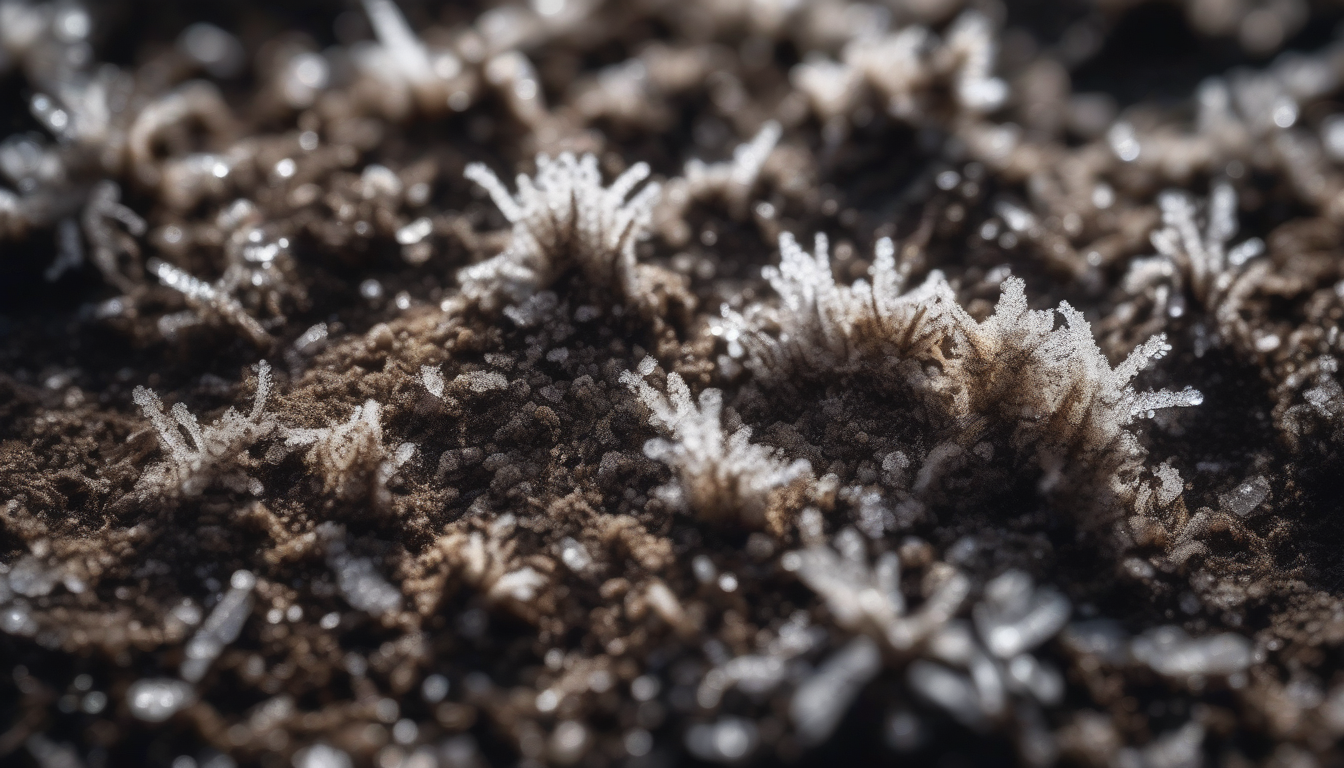
Right now, while your garden sleeps under December frost, an invisible army is preparing for spring. Pest eggs, larvae, and dormant insects are tucked into soil crevices, leaf litter, and plant debris—waiting for the first warm days to hatch into a full-blown infestation.
Most gardeners wait until they see damage in April or May. By then, it’s too late. The secret to a pest-free spring garden isn’t spraying chemicals when aphids appear—it’s a 15-minute winter inspection routine that stops the problem before it starts.
Why winter is your best defense window
Pests don’t vanish in cold weather. They hibernate. Overwintering insects like aphids, spider mites, and whiteflies lay eggs in fall that survive freezing temperatures. Come March, when soil warms to 50°F (10°C), those eggs hatch simultaneously—creating exponential population growth in days.
Winter disrupts this cycle. When pests are dormant and visible, you can remove them manually. No pesticides. No guesswork. Just strategic cleanup that eliminates 70–90% of spring pest pressure before it begins.

The three-step winter pest prevention protocol
Soil inspection and surface disruption
Start with bare soil around perennials, shrubs, and dormant beds. Use a hand rake to gently disturb the top 1–2 inches of soil near plant bases. You’re looking for:
- White grub larvae (future beetles)
- Cutworm cocoons
- Slug eggs (translucent clusters)
- Overwintering aphid eggs (tiny black specks on stems)
Expose these to air and cold. Birds, ground beetles, and freeze-thaw cycles will do the rest. For grubs, handpick and drop into soapy water. Focus on south-facing beds and areas near last year’s problem plants—pests return to familiar territory.
Timing matters. In the US and Western Europe, mid-December through January is ideal. Soil is workable but cold enough that pests are sluggish.
Leaf litter and debris removal
Fallen leaves aren’t just mulch—they’re pest hotels. A single pile can harbor thousands of overwintering insects:
- Fungus gnat larvae in decomposing matter
- Earwig colonies
- Flea beetle adults
- Sawfly cocoons
Remove all leaf litter from garden beds, especially around roses, fruit trees, and vegetable plots. Don’t compost it unless your pile reaches 140°F (60°C)—most home compost bins don’t get hot enough to kill eggs. Bag it for municipal green waste pickup instead.
Pay special attention to:
- Mulch piled against tree trunks (pull it back 6 inches)
- Dense groundcovers like ivy (rake through gently)
- Perennial stems left standing (cut to 2 inches and discard)
One exception: Native plant gardens designed for pollinators. Leave some stems and leaf piles in designated “wild zones” away from edibles and ornamentals.
Quarantine and tool hygiene routine
This step prevents reintroduction. Clean all pots, trays, and tools before spring. Use a 10% bleach solution (1 part bleach to 9 parts water) and scrub:
- Terra cotta pots (porous surfaces harbor eggs)
- Seed-starting trays
- Pruning shears and trowels
- Stakes and tomato cages
Rinse thoroughly and air-dry in sunlight. UV light kills remaining pathogens.
For indoor plants moving outdoors in spring, establish a quarantine zone now. Inspect every plant for:
- Sticky residue (aphid honeydew)
- Webbing (spider mites)
- White cotton-like masses (mealybugs)
Isolate any suspect plants for 2–3 weeks. Treat with insecticidal soap or neem oil before they join the garden.
The spring payoff: What you’ll avoid
Gardeners who skip winter checks typically face:
- Aphid explosions in early April (colonies double every 7 days)
- Fungal diseases from overwintered spores in debris
- Root damage from undetected grubs eating spring growth
- Chemical dependency trying to catch up with established infestations
A December cleanup breaks this cycle. You’ll notice fewer pests, healthier plants, and—critically—less time spent firefighting problems during the busy spring planting season.

Advanced moves for serious gardeners
If you want to go further:
Apply dormant oil sprays to fruit trees and roses in late winter (February in most US/European zones). These suffocate overwintering scale, mites, and aphid eggs without harming beneficial insects that haven’t emerged yet.
Install physical barriers now. Copper tape around raised beds deters slugs. Row cover fabric stored clean and dry is ready to deploy at first thaw.
Document problem areas. Take photos of where you found the most pests this winter. In spring, monitor those spots weekly. Early detection means hand-picking 10 aphids instead of spraying 10,000.
Your winter garden checklist
Before January ends:
- Rake and inspect soil around all perennials and shrubs
- Remove and dispose of all leaf litter and dead plant material
- Clean and disinfect pots, tools, and equipment
- Inspect indoor plants; quarantine any with pest signs
- Apply dormant oil to fruit trees if temperatures are above 40°F (4°C)
- Mark calendar to check high-risk areas in early March
This isn’t extra work—it’s work moved forward. Fifteen minutes now saves hours of damage control later. While your neighbors are panic-buying pesticides in April, you’ll be enjoying the cleanest spring garden you’ve ever grown.
The pests are out there right now, waiting. But they’re vulnerable. And you know exactly where to find them.