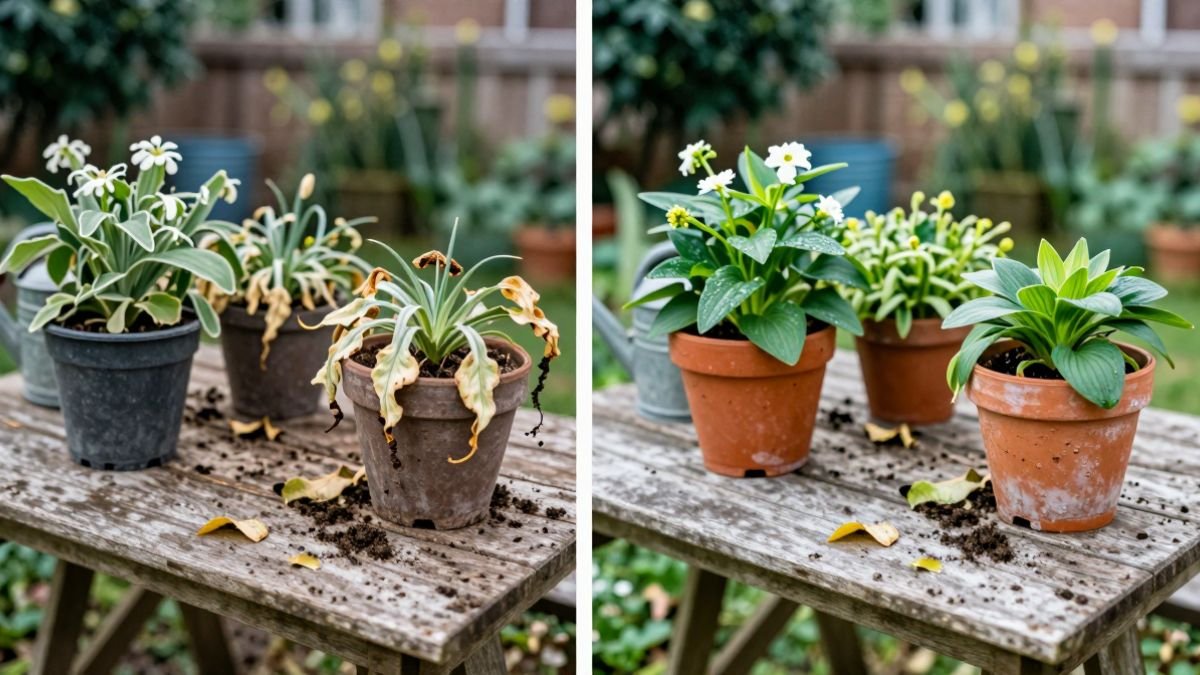
You’ve been watering. You’ve been watching. But your plants still look… off. Pale leaves, droopy stems, that weird brown spot that keeps spreading. Here’s the truth: most plant problems aren’t about doing more—they’re about doing the right thing at the right time.
What if I told you that in just seven days, you could see visible improvement? No expensive gadgets. No overhaul. Just eleven micro-adjustments that work with your plant’s natural rhythm, not against it.
Let’s fix this together.
1. The light check (that most people skip)
Walk to your plant right now. Hold your hand above the soil at leaf height. Can you see a crisp shadow? If it’s fuzzy or non-existent, your light is too weak—even if the room “feels” bright.
The fix: Move the plant 2-3 feet closer to a window, or rotate it 180 degrees if one side is leggy. Most houseplants need at least 4-6 hours of indirect bright light to photosynthesize properly.

2. Watering rhythm (not just “once a week”)
Stop watering on a schedule. Start watering when the plant asks. Stick your finger two inches deep into the soil. Dry? Water until it drains. Still damp? Wait another day.
Pro tip: Plants in terracotta dry faster than plastic pots. Adjust accordingly. Overwatering kills more plants than underwatering—always.
3. Soil aeration (the 5-second game changer)
Compacted soil = suffocated roots. Take a chopstick or pencil and gently poke 5-7 holes around the root zone, about 2 inches deep. This lets oxygen reach the roots and improves water absorption instantly.
Do this once during your week-long reset. You’ll notice perkier leaves within 48 hours.

4. Mulch (yes, even for houseplants)
A thin layer of moss, bark chips, or even shredded coconut coir on top of the soil locks in moisture and prevents crusty surface buildup. Outdoor plants? Mulch is non-negotiable for winter protection and summer heat.
The benefit: Less frequent watering. Healthier microbial activity. Cleaner look.
5. Pest spotting (before it’s too late)
Flip three random leaves. Check the undersides. Look for:
- Tiny white specks (mealybugs)
- Webbing (spider mites)
- Sticky residue (aphids or scale)
Caught early? A spray of diluted neem oil (1 tsp per cup of water) handles most infestations. Spray at dusk to avoid leaf burn.

6. Pruning (the courage cut)
Dead leaves steal energy. Yellow tips? Snip them off at the base with clean scissors. Leggy stems? Cut back to just above a leaf node—this triggers bushier growth.
The rule: If it’s brown, it’s done. Remove it. Your plant will thank you by redirecting nutrients to healthy growth.
7. Easy fertilizer schedule (no math required)
Most plants are hungry from March to September and dormant in winter. Right now in December, skip heavy feeding. But come spring, use a balanced liquid fertilizer (10-10-10) diluted to half strength, once every two weeks.
Winter exception: If your plant is actively growing under grow lights, a monthly light feed is fine.

8. The one-week reset plan (day-by-day actions)
Here’s your roadmap:
- Day 1 (Monday): Light check. Move plants if needed.
- Day 2 (Tuesday): Soil moisture test. Water only the dry ones.
- Day 3 (Wednesday): Aerate soil with chopstick method.
- Day 4 (Thursday): Pest inspection. Treat if necessary.
- Day 5 (Friday): Prune dead/yellow growth.
- Day 6 (Saturday): Add mulch layer. Wipe down dusty leaves with a damp cloth.
- Day 7 (Sunday): Observe. Take a “before and after” photo. You’ll see the difference.
9. Dust removal (the forgotten essential
Dusty leaves can’t breathe. Use a soft, damp microfiber cloth to gently wipe each leaf—top and bottom. For fuzzy-leaved plants like African violets, use a soft brush instead.
Result: Better photosynthesis. Shinier foliage. Instant visual upgrade.

10. Temperature stability (stop the shock)
Plants hate drafts. Cold windows in winter, AC vents in summer—both cause stress. Move plants at least 3 feet away from heating/cooling sources.
Ideal range for most houseplants: 65-75°F during the day, no lower than 55°F at night.
11. The observation habit (your secret weapon)
Spend 60 seconds per day just looking at your plants. Notice new growth? A change in leaf color? Slight wilting at a certain time of day? These micro-signals tell you exactly what’s working—and what’s not.
Consistency beats intensity. Every time.

Your plants are tougher than you think
Here’s what we’ve learned: most gardening “failures” aren’t about green thumbs or bad luck. They’re about small, fixable habits. You don’t need to be perfect. You just need to be observant and consistent.
This week, pick three fixes from this list. Just three. Watch what happens. Then add more as you build confidence. By the time spring arrives, you’ll have a baseline routine that works—and plants that finally thrive.
Your move: Set a phone reminder for tomorrow morning. Day 1 starts now.