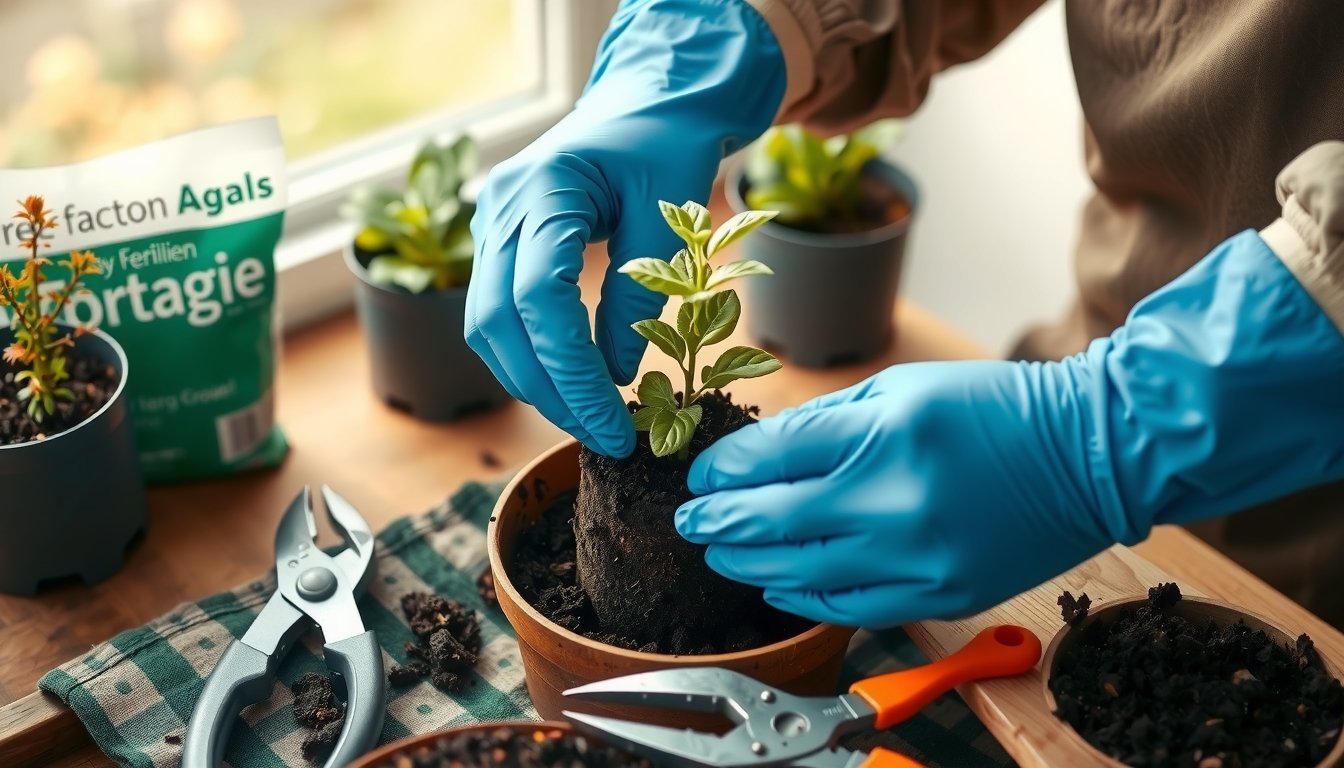
You slip on a pair of bright blue nitrile gloves, ready to tackle that messy fertilizing job, and suddenly you feel like a gardening pro. They’re all over social media as the ultimate garden hack—cheap, protective, and disposable. But here’s the truth no one’s posting: nitrile gloves can wreck your hands and your plants if you use them for the wrong tasks. They’re trending for good reason, but the hype has created some dangerous misconceptions about when they actually work.
Let’s get one thing straight: nitrile gloves are fantastic for specific gardening jobs. But they’re not a one-size-fits-all solution, and using them incorrectly can leave you with blisters, torn plants, or worse.
When nitrile gloves are absolutely perfect
Nitrile gloves shine in situations where you need a barrier between your skin and nasty substances. If you’re handling fertilizers, pesticides, or any chemical treatment, nitrile is your best friend. These gloves are chemical-resistant, which means they won’t break down when exposed to the harsh compounds in most garden products.
They’re also ideal for pruning sappy plants. Anyone who’s ever trimmed a fig tree or dealt with euphorbia knows that sticky, irritating sap can cling to your skin for hours. Nitrile creates a perfect seal that keeps the sap off your hands entirely.
Repotting is another win for nitrile. When you’re working with potting mix, compost, or any soil that might harbor bacteria or fungi, a thin nitrile barrier protects you from potential infections without sacrificing dexterity. You can still feel what you’re doing, which matters when you’re gently loosening root balls or positioning delicate seedlings.
The key advantage? Precision and protection in one package. You maintain almost full tactile sensation while keeping your hands clean and safe from irritants.

The 3 tasks where nitrile gloves fail catastrophically
1. Working with thorny or spiky plants
Roses, blackberries, cacti, bougainvillea—if it has thorns, nitrile gloves are basically useless. The thin material punctures instantly, and now you have the worst of both worlds: a torn glove flapping around your hand and a thorn embedded in your finger.
Unlike thick leather or reinforced fabric gloves, nitrile offers zero puncture resistance. The material is designed to resist chemicals, not sharp objects. One good jab from a rose thorn will slice right through, and you’ll often not even realize you’re bleeding until you see red seeping through the blue.
2. Heavy digging and tool work
Grab a shovel while wearing nitrile gloves and you’re setting yourself up for painful blisters. The smooth, thin surface creates intense friction against tool handles, especially during repetitive motions like digging, raking, or hoeing.
Within minutes, you’ll feel hot spots forming on your palms. Within an hour, you’ll have raw, painful blisters that will make gardening miserable for days. Nitrile gloves have no padding, no grip texture, and no ability to absorb the impact of heavy work.
They also tear easily when snagged on rough surfaces like unfinished wood handles or metal edges. One wrong move and you’re left with shredded glove pieces stuck to your sweaty hands.
3. Extended wear in hot weather
This is the mistake that catches most people off guard. Nitrile gloves are completely non-breathable. Your hands sweat, the moisture has nowhere to go, and within 20 minutes you’re dealing with a clammy, uncomfortable mess.
Prolonged exposure to this trapped moisture can lead to skin maceration—that wrinkly, weakened skin you get after a long bath. But it’s worse in gloves because the constant moisture creates the perfect environment for fungal infections and contact dermatitis.
If you’re planning a long gardening session on a warm day in late December (hello, Southern gardeners), nitrile gloves will make your hands miserable. The sweat buildup also reduces your grip, making tools more dangerous to handle.
How to pick the right thickness and size
Not all nitrile gloves are created equal. Thickness is measured in mils (thousandths of an inch), and it matters more than you think.
- 4-5 mil gloves: Good for light tasks like seedling transplants or applying liquid fertilizer. Maximum dexterity but tears easily.
- 6-8 mil gloves: The sweet spot for most gardening tasks. Durable enough for repotting and pruning, still flexible enough to feel what you’re doing.
- 8+ mil gloves: Heavy-duty, but you sacrifice significant tactile sensation. Better for industrial use than gardening.
Size is just as critical. Gloves that are too large will bunch up and reduce your grip, while gloves that are too tight will tear when you flex your fingers and cut off circulation during extended wear.
Measure your hand width across the knuckles (excluding the thumb) and check the manufacturer’s sizing chart. Most brands offer sizes from small to extra-large, and getting the right fit makes a massive difference in both comfort and durability.

The layering trick that actually works
Here’s a pro move that solves multiple problems at once: wear nitrile gloves underneath your regular garden gloves.
This combination gives you the chemical protection of nitrile with the durability, padding, and breathability of fabric or leather gloves. It’s perfect for tasks like applying pesticides to thorny plants or fertilizing while doing heavy digging.
The nitrile layer keeps chemicals off your skin, while the outer glove protects the nitrile from punctures and provides cushioning against tool handles. Yes, it feels a bit bulky at first, but for certain jobs, it’s the only way to stay truly protected.
Just make sure your outer gloves are one size larger than normal to accommodate the nitrile layer without cutting off circulation.
Disposal and eco-friendly alternatives
Let’s address the elephant in the garden: nitrile gloves are single-use plastic, and they’re piling up in landfills. Standard nitrile takes decades to break down, and most recycling programs won’t accept them, especially if they’re contaminated with soil or chemicals.
If you’re using nitrile gloves regularly, look for biodegradable nitrile options. Several manufacturers now produce gloves that break down in landfill conditions within a few years instead of decades. They cost slightly more but function identically to standard nitrile.
For tasks that don’t require chemical protection, invest in quality reusable gloves instead. Washable fabric gloves with rubber grips, leather work gloves, or silicone-dipped cotton gloves can all be cleaned and reused hundreds of times.
If you must use disposable nitrile, reuse them when possible. Gloves used for clean tasks like repotting can be rinsed, dried, and reused several times before they need to be discarded. Just inspect them for tears before each use.

Your next steps
Before your next gardening session, audit your glove collection. Do you have the right tool for each job?
Keep a box of 6-8 mil nitrile gloves for chemical applications, sappy plants, and repotting. Invest in thick leather or reinforced fabric gloves for thorny plants and heavy digging. Consider breathable cotton or bamboo gloves with rubber grips for general maintenance work.
Match the glove to the task, not the trend. Your hands—and your garden—will thank you.