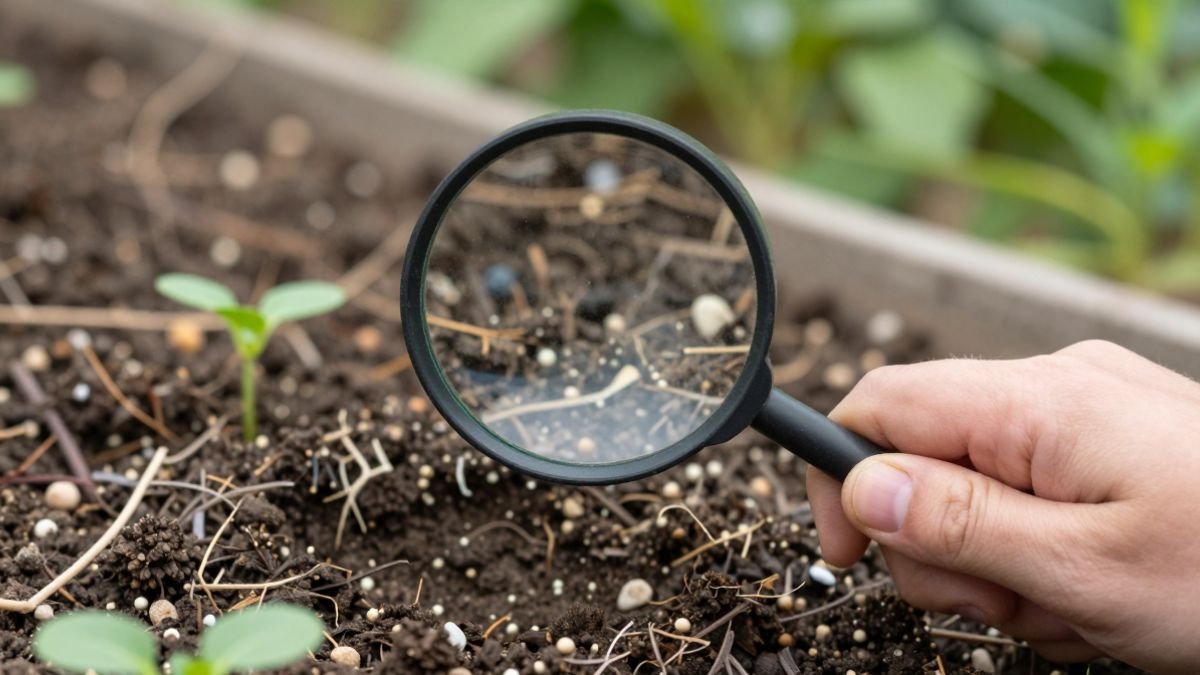
You know that feeling when you lift a pot and find a little gray pill bug curled underneath? Or when you’re mixing compost and spot tiny white specks bouncing around like they’re on springs?
You’re not witnessing a pest invasion. You’re meeting your garden’s invisible workforce—the detritivores. These creatures are the reason dead leaves don’t pile up forever and why your soil gets richer each season without you lifting a finger.
Let’s talk about who they are, what they do, and how to roll out the welcome mat for the hardest workers in your garden.
What exactly are detritivores?
Detritivores are organisms that feed on dead organic matter—fallen leaves, rotting wood, plant debris, even animal waste. They’re nature’s recyclers, breaking down material that would otherwise sit inert on the soil surface.
The big players you’ll encounter:
- Earthworms: The ultimate soil architects. They tunnel, aerate, and leave behind nutrient-rich castings (worm poop) that plants absolutely love.
- Springtails (Collembola): Tiny, white or gray, and they literally jump when disturbed. They devour mold, fungi, and decaying plant matter.
- Isopods (pill bugs, sowbugs): Those armored little gray critters that roll into balls. They munch on decomposing leaves and wood.
These aren’t just “nice to have.” They’re essential. Without them, nutrients stay locked in dead material. With them, your soil becomes a living, self-sustaining system.

Good signs vs. warning signs
Your detritivore crew is thriving if you see:
- Earthworm castings (small, granular mounds) on the soil surface
- Springtails under mulch or in compost—lots of them
- Isopods congregating under pots, logs, or leaf litter
- Dark, crumbly soil that smells earthy (not sour or stagnant)
Red flags that something’s off:
- Soil is bone-dry or compacted (detritivores need moisture to breathe and move)
- No visible activity under mulch or in the top 2 inches of soil
- Sour, anaerobic smell (too wet, not enough oxygen)
- You’re using pesticides or synthetic fertilizers regularly (these kill beneficial organisms indiscriminately)
How to attract (and keep) your cleanup crew
Detritivores aren’t picky, but they do have non-negotiables: moisture, organic matter, and safety from chemicals.
1. Layer on the leaf litter
Don’t bag those fall leaves. Spread them as mulch around plants or add them to your compost. Leaves are detritivore candy—they break them down into humus, which feeds your plants.
2. Keep the soil consistently moist (but not soggy)
Detritivores breathe through their skin or need humidity to survive. If your soil dries out completely, they’ll migrate or die. Mulch helps retain moisture between waterings.
3. Add finished compost regularly
Even a thin layer (1-2 inches) gives detritivores a buffet of partially decomposed material to finish processing. It’s like pre-chewed food—easier to digest, faster results.
4. Ditch the pesticides
Broad-spectrum pesticides don’t discriminate. They kill aphids and springtails. If you must treat a problem, use targeted, organic solutions and apply them carefully.
5. Avoid tilling or excessive digging
Detritivores live in the top few inches of soil. When you churn it up, you destroy their habitat and expose them to predators and sun. Let them work undisturbed.

Quick ID guide: who’s who in the soil
- Earthworms: Shiny, pink/brown, segmented body. Move slowly. Leave castings behind.
- Springtails: 1-2mm, white/gray, “jump” when you disturb mulch. Often mistaken for fleas (but they don’t bite).
- Isopods (pill bugs): Gray, segmented armor, 7 pairs of legs. Roll into a ball when threatened (that’s a pill bug; sowbugs don’t roll).
- Millipedes: Long, cylindrical, lots of legs, move slowly. Eat decaying plant matter (not to be confused with centipedes, which are predators).
What to avoid
Don’t panic and reach for bug spray. If you see hundreds of springtails in your compost or under a pot, that’s not a problem—that’s a sign of health. They’re not interested in your living plants.
Don’t let soil dry out completely. Detritivores will go dormant or die. If you’re growing in containers, this is especially critical.
Don’t use landscape fabric or plastic sheeting. These barriers block organic matter from reaching the soil and create a hostile environment for soil life.
The bottom line
Detritivores are the difference between dead dirt and living soil. They’re working 24/7 to turn waste into wealth—nutrient-rich, crumbly soil that makes plants thrive without constant fertilizing.
You don’t need to “introduce” them. They’ll show up on their own if you create the right conditions: moisture, mulch, and no chemicals. Think of it as setting the table. The cleanup crew will find you.
Next time you spot a pill bug or a springtail, don’t squash it. Say thank you. They’re building your garden from the ground up.