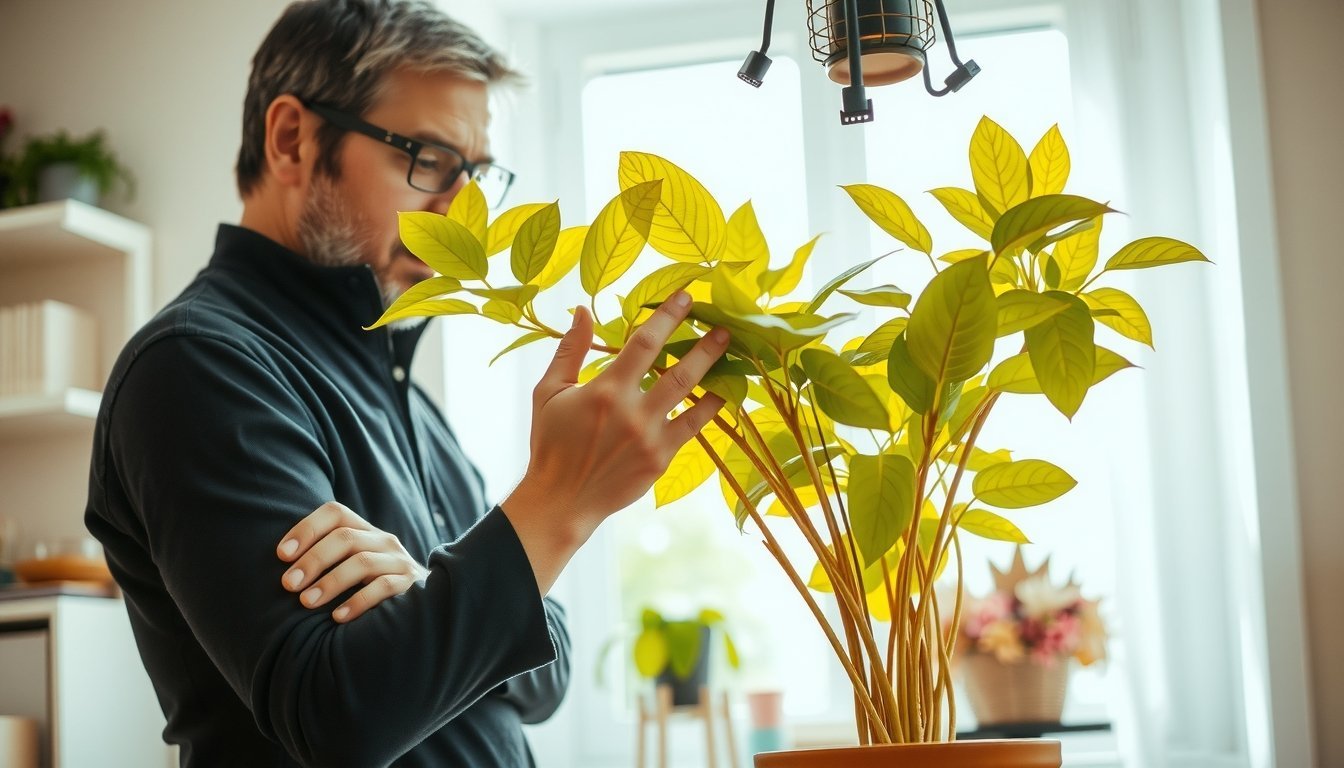
Did you know that yellow leaves on your plants might be the least of your worries? While many think they are just a sign of a plant in distress, they can actually signal a much deeper issue lurking beneath the surface. As we approach the coldest months of winter, it’s crucial to understand what those yellowing leaves are telling you about your plant’s health.
With the holiday season behind us, many of us are looking to nurture our indoor gardens through the chilly days ahead. If you’ve noticed your plants starting to lose their vibrant green hue, you’re not alone. Let’s dive into what those yellow leaves really mean and how we can turn things around.
The Role of Leaf Color in Plant Health
Leaves are more than just a pretty accessory to your home; they’re vital for photosynthesis. The bright green color we admire comes from chlorophyll, a pigment essential for converting sunlight into energy. When leaves start to turn yellow, it often indicates a disruption in this process.
But why do leaves change color in the first place? Seasonal shifts, especially as winter approaches, can cause natural changes in leaf pigmentation. However, if your indoor plants are turning yellow, it may not be just seasonal shedding; it could mean something is seriously awry.

Common Causes of Yellowing Leaves
Understanding the root causes of yellow leaves is key to reviving your plants. Here are some common culprits:
- Watering Issues: Both overwatering and underwatering can lead to yellow leaves. Overwatered plants often suffer from root rot, while underwatered plants can’t absorb the necessary nutrients.
- Nutrient Deficiencies: Lack of essential nutrients, especially nitrogen and iron, can lead to yellowing. Plants deprived of these nutrients struggle to produce chlorophyll.
- Pests and Diseases: Infestations or infections can cause significant stress, resulting in yellow leaves. Look for signs of pests like aphids or mealybugs, or check for fungal infections.
- Environmental Factors: Poor light, extreme temperatures, and low humidity can all contribute to leaf discoloration. As winter sets in, indoor conditions often change drastically.
What Yellow Leaves Really Mean
Yellow leaves are often more than just an aesthetic issue; they can be an early warning sign of stress. Ignoring these signs can lead to more severe problems, such as stunted growth or even plant death. It’s essential to act quickly to diagnose the underlying issue.
For instance, if your plant’s leaves are yellowing and dropping, it could be a sign of root rot from overwatering. Conversely, if the yellowing is accompanied by wilting, your plant might be thirsty and in need of immediate attention.

Practical Solutions to Revive Your Plants
Now that we understand the causes, what can we do to fix the problem? Here are some actionable tips:
- Watering Techniques: Check the soil moisture regularly. A good rule of thumb is to water when the top inch of soil feels dry. Consider using pots with drainage holes to prevent water from sitting at the bottom.
- Fertilization Strategies: Use a balanced fertilizer, particularly one rich in nitrogen in early spring, to boost your plants’ nutrient levels. For iron deficiencies, consider chelated iron supplements.
- Pest Management: Regularly inspect your plants for pests. If you notice any, treat them with insecticidal soap or neem oil, which are effective and safe options.
- Creating the Ideal Environment: Ensure your plants receive adequate light by placing them near windows that get bright, indirect sunlight. Maintain a stable temperature between 65°F and 75°F and increase humidity if necessary with a humidifier or pebble tray.
As we embrace the winter months, remember that the health of your plants depends on your attention to detail. By understanding the signs of yellowing leaves and taking swift action, you can transform your indoor garden into a thriving oasis. Don’t let those yellow leaves be the end of the story; let them guide you to a healthier, more vibrant plant life.
So, check those leaves today and take the necessary steps to bring your green friends back to life. Your plants will thank you, and as spring approaches, you’ll be ready to enjoy a flourishing garden.