You bring home a gorgeous kalanchoe or a blooming orchid from the grocery store, display it proudly on your kitchen counter, and enjoy the flowers for a few weeks. Then the petals drop, the stems go quiet, and… nothing. Months pass. That “flowering” houseplant becomes just another green thing gathering dust. Sound familiar?
Here’s the truth most garden centers won’t tell you: many houseplants sold in full bloom were forced into flowering under commercial greenhouse conditions they’ll never see again in your living room. Without the right light, feeding schedule, or temperature cues, they simply won’t rebloom. But the good news? A handful of reliable indoor bloomers will flower again and again—if you give them what they actually need.
This guide walks you through eight proven repeat bloomers, the specific triggers that kickstart flowering, and a simple care rhythm to keep those blooms coming all year long.
The 8 most reliable indoor bloomers for repeat flowers
Not all flowering houseplants are created equal. These eight have earned their reputation for dependable, repeat blooms indoors—no greenhouse required.
Peace lily (Spathiphyllum): Tolerates lower light than most bloomers and produces elegant white spathes several times a year. Keep soil lightly moist and feed monthly during spring and summer.
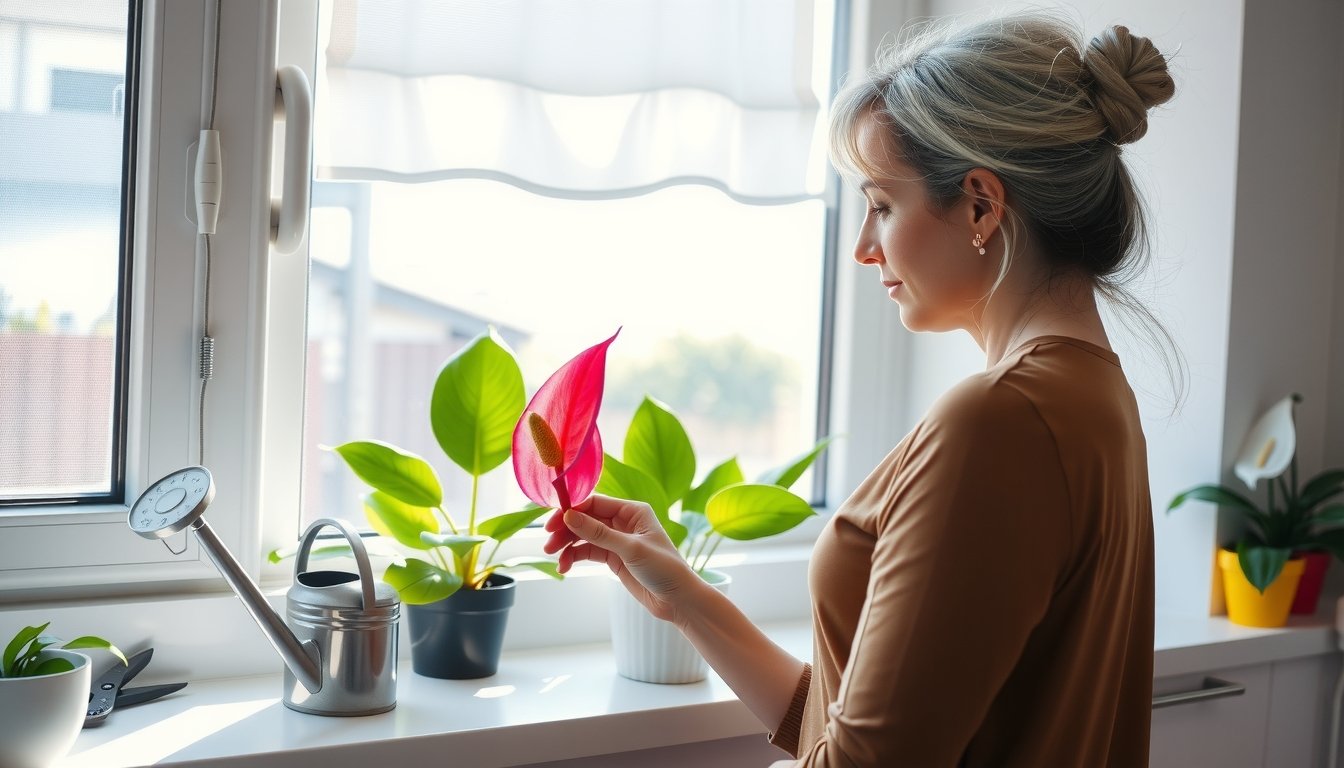
Anthurium: Those glossy red, pink, or white heart-shaped “flowers” (actually modified leaves called spathes) can last for weeks. Bright indirect light and high humidity are key. Expect new blooms every few months with proper care.
Kalanchoe: A succulent that delivers clusters of tiny, vibrant flowers in red, orange, yellow, or pink. Needs bright light and a dry rest period after blooming to trigger the next flush.
Phalaenopsis orchids: The supermarket staple. With the right care, these orchids rebloom reliably once or twice a year. After flowers fade, cut the stem above the second node and maintain consistent temperatures.
African violet (Saintpaulia): A classic for a reason. Under bright, indirect light and consistent moisture, African violets can bloom nearly year-round. Bottom watering prevents leaf spotting.
Begonia: Wax begonias and some cane types flower continuously in bright light. Pinch back leggy growth to encourage bushier plants and more blooms.
Clivia: Produces stunning orange or yellow flower clusters in late winter or early spring. Requires a cool, dry rest period in fall to set buds.
Christmas cactus (Schlumbergera): Blooms in winter when given short days and cool nights in the fall. Once you crack the code, it’s a reliable annual performer.

The three bloom triggers most people miss
Flowering isn’t random. Plants bloom in response to specific environmental cues. Miss even one, and your plant may stay stubbornly green.
Light intensity and duration: Most flowering houseplants need bright, indirect light—not the dim corner of your bedroom. South- or west-facing windows work best in the Northern Hemisphere during winter months. Some plants, like kalanchoe and Christmas cactus, are photoperiodic: they need a certain number of dark hours per night to set buds. If your plant sits near a lamp that stays on late, it may never trigger flowering.
Feeding schedule: Flowering takes energy. Use a bloom-boosting fertilizer (higher phosphorus, the middle number on the label) every two to four weeks during the growing season. Stop or reduce feeding in winter unless your plant is actively blooming. Overfed foliage plants grow lush leaves but skip flowers.
Temperature swings: Many tropical bloomers need a slight drop in nighttime temperature to initiate buds—usually a 5–10°F difference between day and night. This mimics their native seasonal patterns. For orchids and Christmas cactus, a cool fall rest period (55–65°F at night) is essential.
Deadheading and pruning: the secret to more blooms
Once a flower fades, your plant will pour energy into seed production—unless you intervene.
Deadhead spent blooms promptly. Pinch or snip off faded flowers at their base. This redirects energy back into producing new buds instead of seeds.
Prune leggy growth. For plants like begonias and African violets, occasional pruning encourages branching and more flowering sites.
Cut back orchid spikes strategically. After a phalaenopsis orchid finishes blooming, trim the spike just above the second or third node (the small bumps on the stem). A secondary spike often emerges within a few months. If the spike turns brown, cut it at the base.

How to get repeat blooms from supermarket orchids
Supermarket orchids are often written off as one-and-done, but they’re surprisingly easy to rebloom.
After flowering ends: Cut the spike above the second node. Place the orchid in bright, indirect light (an east window is ideal). Water weekly by soaking the pot for 10 minutes, then draining completely.
Feed every other watering with a diluted orchid fertilizer during spring and summer.
Trigger reblooming in fall: In October or November, move the orchid to a cooler spot (60–65°F at night) for four to six weeks. Reduce watering slightly. This temperature drop signals the plant to set buds.
Be patient. A new spike typically appears 8–12 weeks after the cool treatment. Once buds form, move the plant back to its usual spot and resume normal care.
A month-by-month care rhythm for consistent blooms
Consistent care beats sporadic effort every time. Here’s a simple seasonal rhythm tailored for indoor bloomers in the United States.
January–March (Late winter): Increase watering frequency as daylight lengthens. Begin feeding every two weeks. Watch for new growth and buds on orchids, clivia, and Christmas cactus.
April–September (Spring and summer): Peak growing season. Maintain regular watering and feeding. Deadhead spent blooms weekly. Move plants outdoors to a shaded patio if temperatures stay above 55°F at night—the fresh air and natural light boost blooming.
October–November (Fall): Reduce feeding to once a month. For orchids, Christmas cactus, and kalanchoe, provide cooler nights and longer darkness to trigger bud set. Cut back watering slightly.
December (Early winter): Enjoy winter bloomers like Christmas cactus and some orchids. Keep soil barely moist for dormant plants. Resist the urge to overwater—root rot is common in cold, dark months.

The bottom line: choose the right plant and give it the right cues
Flowering houseplants aren’t all created equal, and not every bloom you see at the store will repeat without effort. But if you choose proven performers like peace lilies, anthuriums, and phalaenopsis orchids—and give them the light, feeding, and temperature cues they’re hardwired to respond to—you’ll enjoy months of color indoors.
Start with one or two reliable bloomers. Learn their rhythm. Deadhead promptly, feed during active growth, and don’t skip the cool rest period if your plant needs it. Before long, you’ll have a rotating display of flowers that didn’t come from the florist—they came from your own care and attention.