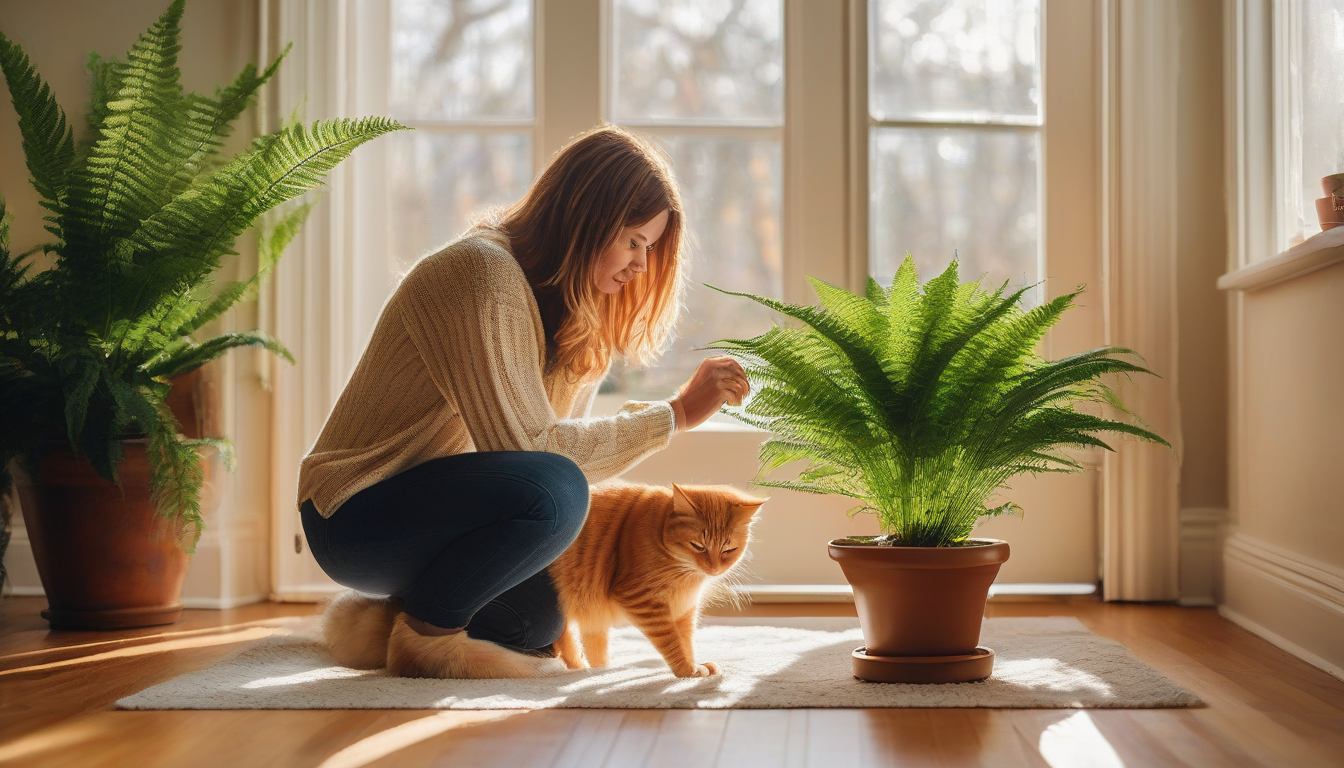
Your cat just knocked over your favorite potted plant—again. You scoop up the soil, scold her gently, then freeze. Was that plant poisonous? A quick Google search sends you down a rabbit hole of conflicting advice, blurry photos, and scary symptoms. Here’s the truth: most popular houseplants are toxic to cats, but a handful of beautiful, low-maintenance options are completely safe. This guide gives you 12 cat-safe plants with pictures, care basics, and placement tricks so you can finally stop worrying every time your feline investigates a leaf.
The toxic vs. safe cheat sheet
Before we dive into the safe options, let’s get clear on what to avoid. Lilies, pothos, philodendrons, sago palms, and snake plants are all common—and all dangerous to cats. Even a nibble can cause vomiting, drooling, kidney failure, or worse.
The ASPCA maintains a searchable database of toxic and non-toxic plants, but it’s not always user-friendly. The plants below are verified safe by the ASPCA and other veterinary toxicology sources as of December 2025. That means if your cat chews a leaf, you can breathe easy.

12 cat-safe houseplants (with simple care)
1. Spider plant (Chlorophytum comosum)
Arching green-and-white striped leaves that cascade beautifully from hanging baskets. Spider plants are nearly indestructible and thrive in bright, indirect light. Water when the top inch of soil is dry. Cats love batting at the dangling “spiderettes,” so hang it high if you want it to stay intact.
2. Boston fern (Nephrolepis exaltata)
Lush, feathery fronds that add instant jungle vibes. Boston ferns prefer high humidity and indirect light. Mist daily or place the pot on a pebble tray. They’re safe, but the texture isn’t usually appealing to cats.
3. Parlor palm (Chamaedorea elegans)
A compact, elegant palm that tolerates low light and irregular watering. Perfect for beginners. Cats occasionally nibble the tips, but it won’t harm them. Keep soil lightly moist and avoid direct sun.
4. Areca palm (Dypsis lutescens)
Taller and fuller than the parlor palm, with graceful, arching fronds. Areca palms need bright, indirect light and consistent moisture. They’re safe and add a tropical feel to any room.
5. Calathea (Calathea spp.)
Stunning patterned leaves—stripes, dots, or “prayer plant” movement at night. Calatheas prefer medium to low light and high humidity. They’re non-toxic and their bold foliage is less tempting to chew than thin grasses.
6. Peperomia (Peperomia spp.)
Thick, waxy leaves in a variety of shapes and colors. Peperomias are compact, slow-growing, and forgiving. They like bright, indirect light and infrequent watering. Safe for cats and easy to propagate.
7. African violet (Saintpaulia)
Classic, cheerful blooms in purple, pink, or white. African violets thrive in moderate light and prefer bottom watering to avoid leaf spots. Non-toxic and small enough to tuck on a high shelf.
8. Ponytail palm (Beaucarnea recurvata)
Not a true palm—it’s a succulent with a bulbous trunk and long, cascading leaves. Ponytail palms tolerate neglect, low light, and dry air. Cats may bat at the leaves, but they’re safe.
9. Haworthia (Haworthia spp.)
Small, sculptural succulents with striped or spotted rosettes. Haworthias need bright light and minimal water. They’re safe, compact, and perfect for sunny windowsills.
10. Wax plant (Hoya carnosa)
Thick, glossy leaves and clusters of fragrant, star-shaped flowers. Hoyas prefer bright, indirect light and infrequent watering. They’re safe and their trailing vines look great in hanging planters.
11. Polka dot plant (Hypoestes phyllostachya)
Vibrant pink, red, or white speckled leaves. Polka dot plants like medium light and consistent moisture. They’re safe, colorful, and fast-growing. Pinch back regularly to keep them bushy.
12. Christmas cactus (Schlumbergera)
Segmented, arching stems and tubular blooms in winter. Christmas cacti are safe, long-lived, and easy. They prefer bright, indirect light and slightly moist soil. Perfect for a shelf or hanging basket.
Matching plants to your light levels
Not sure how much light you have? Here’s a quick guide:
- Bright, indirect light: Within a few feet of a south- or west-facing window, but not in the direct beam. Best for: areca palm, haworthia, hoya, peperomia.
- Medium light: East-facing windows or a few feet back from bright windows. Best for: calathea, polka dot plant, African violet.
- Low light: North-facing windows or corners far from windows. Best for: parlor palm, Boston fern, ponytail palm, spider plant.
If your space is dim, consider a grow light. Many cat-safe plants will survive low light but won’t thrive or bloom without a boost.

Toxic look-alikes to watch out for
Some dangerous plants look similar to safe ones. Here are the most common mix-ups:
- Snake plant (toxic) vs. spider plant (safe): Snake plants have stiff, upright leaves; spider plants cascade.
- Pothos (toxic) vs. hoya (safe): Pothos has heart-shaped, thin leaves; hoya leaves are thick and waxy.
- Sago palm (extremely toxic) vs. parlor palm or areca palm (safe): Sago palms have stiff, spiky fronds and a rough trunk; true palms have softer, feathery fronds.
- Peace lily (toxic) vs. African violet (safe): Peace lilies have large, glossy leaves and white spathes; African violets are small with fuzzy leaves and colorful blooms.
When in doubt, check the botanical name (in parentheses above) against the ASPCA’s database.
Placement tips to reduce chewing
Even safe plants can cause mild stomach upset if your cat eats a large amount. Here’s how to minimize nibbling:
- Hang plants in macramé or ceiling hooks, out of jumping reach.
- Use tall plant stands or place pots on high shelves.
- Offer cat grass (wheatgrass or oat grass) as a decoy. Many cats chew plants for fiber or boredom; giving them a designated snack can redirect the behavior.
- Apply a deterrent spray (citrus or bitter apple) to leaves, but test on one leaf first to avoid damage.
- Enrich your cat’s environment with toys, scratching posts, and window perches to reduce plant obsession.
What to do if your cat eats a plant
If your cat chews a plant from the safe list above, monitor for mild symptoms like drooling or vomiting. These usually resolve on their own. Offer water and keep an eye on litter box habits.
If your cat eats a plant not on this list:
- Identify the plant by its botanical name.
- Call the ASPCA Animal Poison Control Center (888-426-4435) or the Pet Poison Helpline (855-764-7661). There’s a consultation fee, but they’re available 24/7.
- Contact your vet immediately if you see lethargy, seizures, difficulty breathing, or severe vomiting.
- Bring a sample of the plant (leaf or photo) to the vet.
Don’t wait for symptoms to appear if you know the plant is toxic—early intervention saves lives.
Your next steps
You now have a vetted list of 12 cat-safe houseplants, care basics, and placement strategies. Here’s how to move forward:
- Audit your current collection: Cross-check every plant against the ASPCA database. If you find a toxic one, rehome it or move it to a cat-free room.
- Start small: Pick one or two plants from this list that match your light levels and experience.
- Set up a cat grass station: Give your cat a safe outlet for chewing.
- Bookmark the ASPCA database: New plants enter the market every season, and it’s the most reliable reference.
You don’t have to choose between a green home and a safe one. With the right plants and a few smart tweaks, you can have both—and finally stop panicking every time your cat investigates a leaf.