Food prices rise faster than many household incomes and small treats in the shopping basket suddenly feel risky.
One of the simplest ways to protect the budget is to move part of the fresh produce bill from the supermarket to the balcony or yard.
An inflation garden focuses on crops that give maximum value per square meter. They grow quickly, are used often in everyday cooking and replace items that are relatively expensive per kilogram when bought fresh.
When choosing such crops, three criteria matter most:

- high yield in a small space
- short time from sowing to harvest or long storage life
- frequent use in daily meals
Below are seven practical candidates that fit these criteria for most small homes.
- Leafy salad mixes
Mixed lettuces, arugula and baby spinach are among the most profitable plants to grow.
They are cut-and-come-again crops, so one tray can provide multiple harvests and replace many plastic bags of salad mix from the shop.
Sow densely in shallow boxes, start a new box every two to three weeks and trim the leaves with scissors.
This keeps a constant supply of fresh leaves through much of the cool season.
- Fresh herbs for everyday cooking
Parsley, coriander, dill, chives and basil are expensive when bought in small bunches.
In containers they need very little room and can be cut repeatedly.
Group several herbs in a single wide pot with good drainage.
Regular cutting encourages new growth and makes it realistic to stop buying packaged herbs altogether.

- Green onions and garlic greens
Whole onions are usually cheap but trimmed green onions and garlic greens are not.
Both can be grown from kitchen leftovers in narrow containers or deep trays.
Plant onion sets or sprouting garlic cloves close together.
Harvest the green tops with scissors and leave the bulbs to regrow several times before replanting.
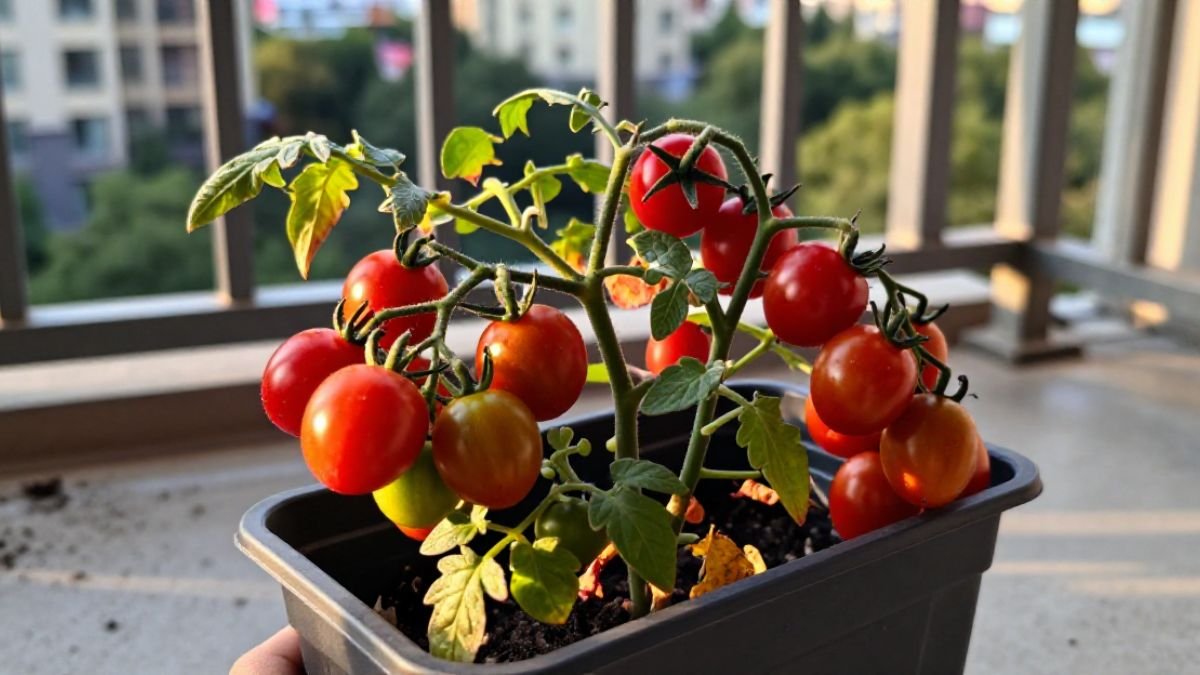
- Determinate cherry tomatoes
Tomatoes require more care but cherry types on compact plants can still be budget friendly.
They produce heavily in a short season and replace the most expensive fresh tomatoes in the store.
Choose determinate or patio varieties, use at least a 10 liter container and support the stems.
Regular watering and feeding are essential but one healthy plant can give kilos of fruit in a small footprint.
- Courgettes in a large pot
Courgette plants look large yet a single well fed plant can produce a steady stream of fruits.
In many regions small tender courgettes are not cheap in shops, especially outside peak season.
Grow one plant in a deep container with rich soil and consistent moisture.
Harvest fruits while still small so the plant keeps producing instead of putting its energy into oversized marrows.

- Climbing beans
Climbing beans use vertical space, which is valuable in small courtyards and on balconies.
They give both fresh pods in summer and, if some pods are left to dry, a supply of dried beans for winter dishes.
Provide a strong trellis or net, sow several seeds at the base and water regularly.
Dried beans store well in jars and directly replace tinned or dried beans from the supermarket shelf.
- Early potatoes in bags or buckets
Potatoes are not the highest value crop per kilogram but homegrown new potatoes are often both tastier and cheaper than premium early potatoes in shops.
They can be grown in old buckets or special grow bags where there is no soil.
Start with certified seed potatoes, place them on a layer of compost and cover with more as the shoots grow.
Harvest part of the crop early for fresh eating and leave the rest to bulk up for storage.
Putting these crops together creates a small inflation garden that works quietly in the background.
It will not remove the need for shopping but it can soften price shocks, make everyday meals fresher and give a feeling of control in a tense financial season.