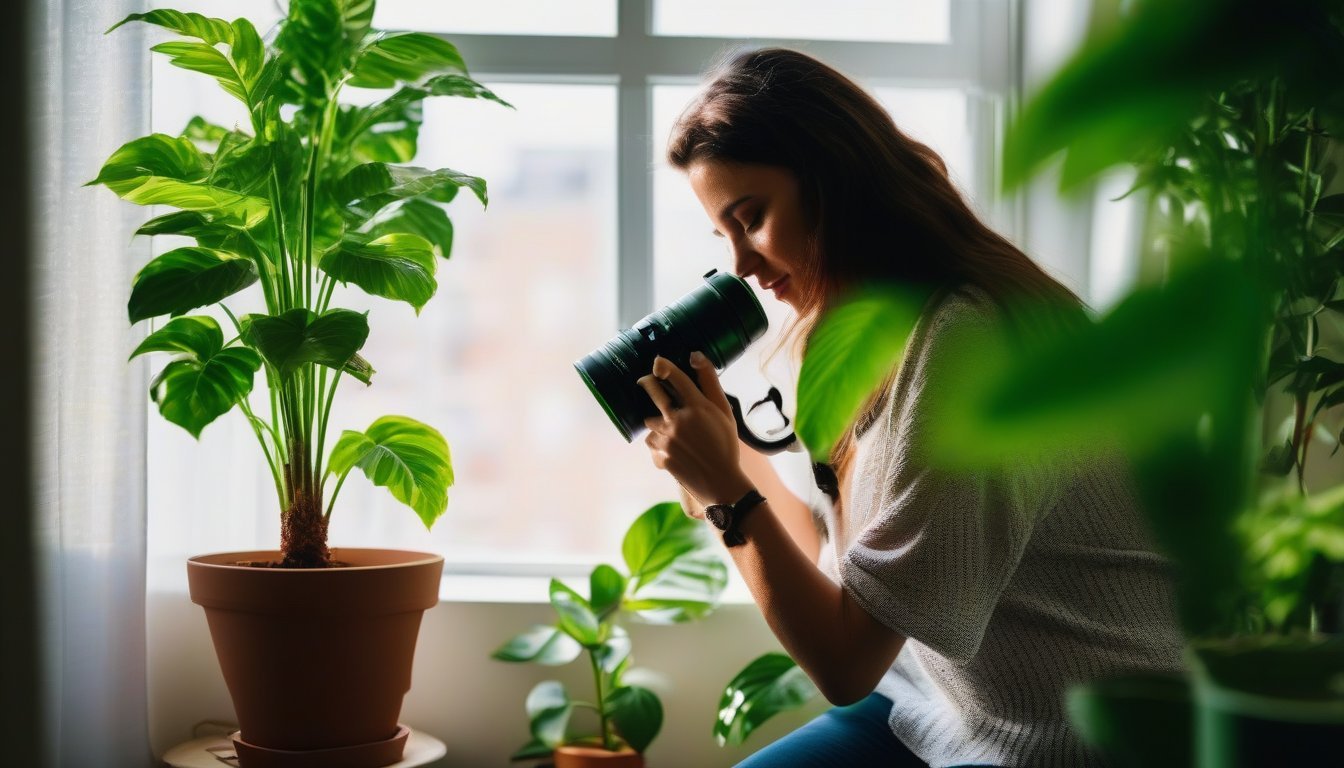
Did you know that nearly 40% of American households are filled with dark corners that struggle to accommodate vibrant plant life? The surprising truth is that you can bring life and color to these dim spaces with the right low-light plants. As we wrap up 2025, let’s explore how to transform those neglected areas of your home into lush, green sanctuaries.
Understanding Low-Light Conditions
When we think about houseplants, bright, sunlit rooms often come to mind. However, many of us live in apartments where natural light is in short supply. Low-light conditions are typically spaces that receive less than three hours of direct sunlight daily. This can include north-facing rooms, shaded corners, or areas blocked by large trees or buildings.
So, why should you consider low-light plants? For starters, they offer numerous benefits beyond mere aesthetics. They can purify the air, improve mood, and even reduce stress levels. Choosing plants that thrive in these conditions means you can enjoy greenery without the constant worry of inadequate light.

Plant #1: Snake Plant (Sansevieria)
The snake plant, also known as mother-in-law’s tongue, is a fantastic choice for anyone looking to add greenery to a low-light space. Originating from tropical West Africa, this hardy plant can adapt to various conditions. Plus, it’s renowned for its air-purifying qualities, making it a health-conscious addition to your home.
Care Tips: Snake plants thrive on neglect. Water them every 2-3 weeks, ensuring the soil dries out completely between waterings. They prefer well-draining soil and can tolerate temperatures ranging from 60°F to 80°F (15°C to 27°C).
Plant #2: ZZ Plant (Zamioculcas zamiifolia)
The ZZ plant is perfect for those who may forget about their plants from time to time. Known for its waxy, dark green leaves, it can survive in almost any environment. The ZZ plant is exceptionally resilient, making it ideal for busy lifestyles.
Care Tips: Water your ZZ plant only when the soil has completely dried out, usually about every 2-3 weeks. It thrives in a variety of soil types but prefers a well-draining mix. Keep it in temperatures ranging from 65°F to 75°F (18°C to 24°C) for optimal growth.

Plant #3: Pothos (Epipremnum aureum)
Pothos is one of the most versatile houseplants available. With trailing vines that can reach lengths of up to ten feet, this plant can liven up any empty corner. It’s also incredibly forgiving, making it perfect for both beginners and seasoned plant enthusiasts alike.
Care Tips: Pothos prefers to dry out between watering, so aim to water it every 1-2 weeks. It can grow in a variety of lighting conditions, but for low-light areas, ensure it receives indirect light. Consider pruning the vines to encourage bushier growth!
General Care Tips for Low-Light Plants
Keeping your low-light plants thriving requires some basic knowledge. Here are a few essential care tips:
- Watering Practices: Most low-light plants are susceptible to overwatering. Always check the soil moisture before watering; if it feels damp, hold off.
- Soil and Fertilization: Use a well-draining potting mix. During the growing season (spring and summer), consider a balanced liquid fertilizer every 4-6 weeks.
- Signs of Stress: Watch for yellowing leaves or stunted growth, which can indicate overwatering or insufficient light. Adjust your care routine accordingly.

Conclusion
As we step into 2026, don’t let your dark corners remain lifeless. With the right low-light plants, you can easily brighten these spaces and enhance your home’s atmosphere. Start with a snake plant or ZZ plant, and watch as your indoor garden flourishes, even in the dimmest conditions. Remember, nurturing these plants is not just about aesthetics; it’s about creating a healthier, happier environment for you and your loved ones.
Take action today! Visit your local nursery or shop online to find the perfect low-light plants for your home. Embrace the beauty of greenery in every corner, no matter how dark it may seem.