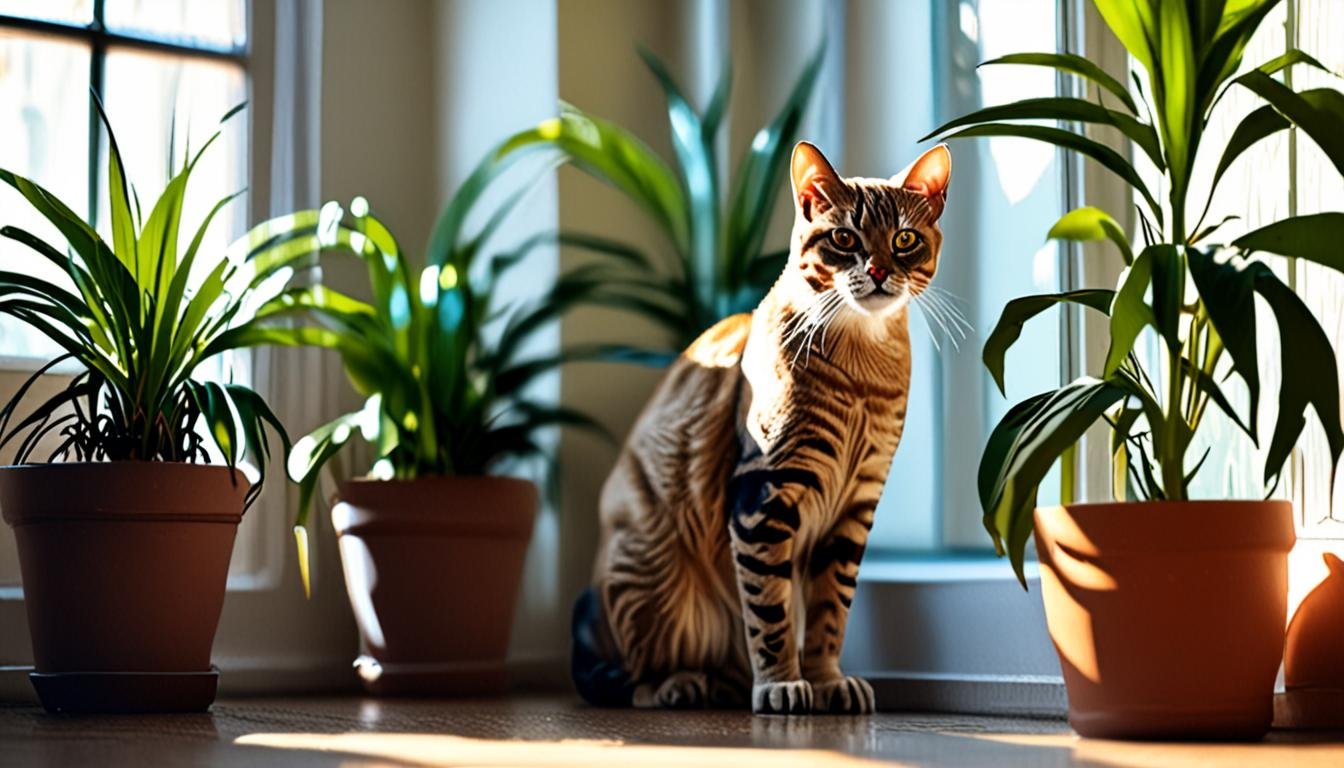
Did you know that one of the most popular indoor plants, the Peace Lily, is potentially deadly for your furry friends? While these lush greens can brighten up your home and purify the air, they come with a hidden danger that many pet owners overlook. As we cozy up indoors this winter, it’s crucial to ensure our homes are safe for our beloved pets.
Indoor plants are more than just decorations; they bring life and vitality into our spaces. As we spend more time indoors during the colder months, the trend of cultivating indoor gardens has surged. People are discovering the numerous benefits of houseplants, from improved air quality to enhanced mood. However, as we embrace this green trend, we must consider our pets who share our homes.
The Pet-Plant Relationship
When selecting indoor plants, it’s essential to think about how they interact with our four-legged companions. Cats and dogs are naturally curious and often explore their environments through taste. This instinct can lead them to nibble on plants, some of which may pose serious health risks. Understanding the pet-plant relationship is vital in creating a safe and harmonious living space.

Toxic Indoor Plant: Peace Lily
The Peace Lily is a favorite among plant enthusiasts due to its striking white blooms and easy care. This resilient plant thrives in low light and can be found in homes across the country. However, what many don’t realize is that Peace Lilies contain calcium oxalate crystals, which are toxic to both cats and dogs.
Symptoms of Poisoning
If your pet ingests any part of a Peace Lily, they may exhibit several distressing symptoms, including:
- Oral irritation or burning sensation
- Excessive drooling
- Vomiting
- Difficulty swallowing
- Swelling of the mouth or throat
If you notice any of these symptoms, it’s crucial to act quickly.
What to Do If Your Pet Ingests Peace Lily
First, remain calm. Here are steps you can take:
- Remove any remaining plant material from your pet’s reach.
- Rinse your pet’s mouth with water to help soothe irritation.
- Contact your veterinarian or an emergency pet poison hotline immediately.
Timely intervention is key to ensuring your pet’s safety.
Safe Indoor Plant Option: Spider Plant
If you’re looking for a pet-friendly alternative, consider the Spider Plant. This hardy plant is not only safe for pets but also adds a beautiful touch to your home décor. Spider Plants are known for their air-purifying qualities and their ability to thrive in various conditions.
Benefits of Spider Plants for Pet Owners
Spider Plants have several advantages:
- Non-toxic to cats and dogs, making them a safe option for households.
- Easy to care for and resilient, even for those new to plant care.
- They produce “puppies,” or plantlets, which can be propagated easily.
Care Tips for Spider Plants
To keep your Spider Plant healthy and thriving, follow these simple care tips:
- Place it in bright, indirect light.
- Water it thoroughly but allow the soil to dry out between waterings.
- Feed with a balanced houseplant fertilizer every month during the growing season.
With a little care, your Spider Plant can flourish, providing a safe and vibrant addition to your home.

Conclusion
As we reflect on the safety of our pets this winter, it’s essential to be mindful of the plants we bring into our homes. The Peace Lily, though beautiful, poses a significant risk to our furry companions. On the other hand, the Spider Plant offers a safe and attractive alternative. Let’s commit to researching pet-safe plants before making our purchases.
For more information on plant toxicity and safe indoor gardening, check out resources from pet poison control websites. Let’s keep our homes green and our pets safe!
Additional Resources
If you want to learn more about plant safety and care, consider these resources: