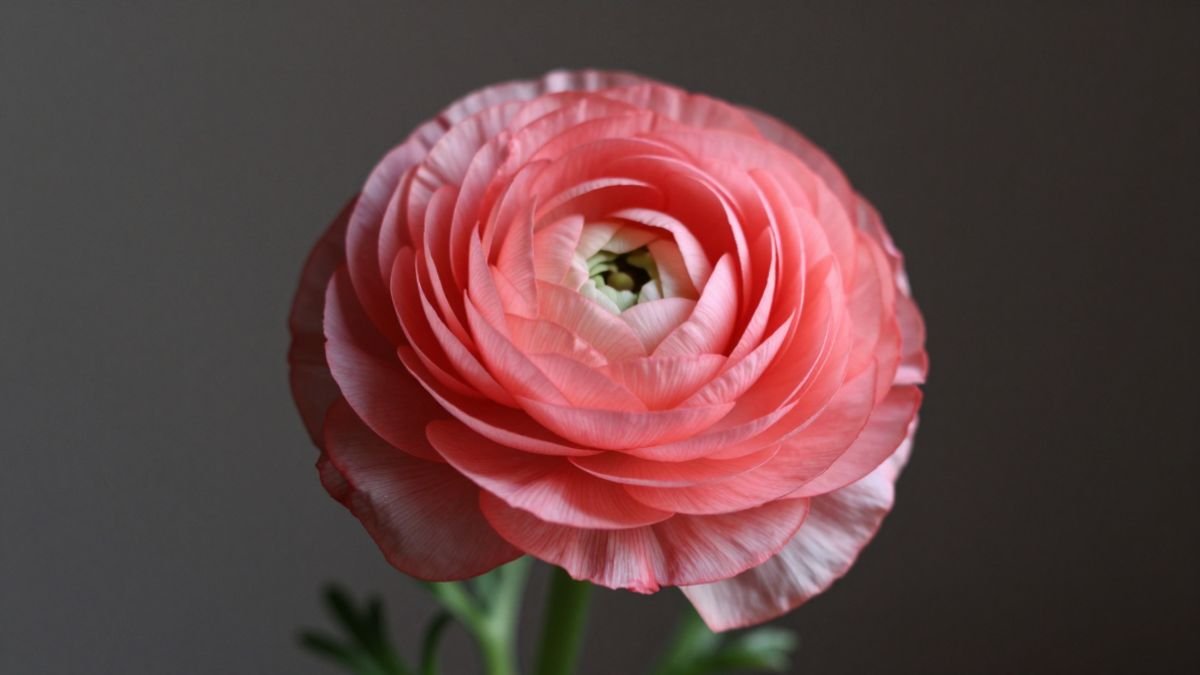
You’ve soaked your ranunculus corms overnight because every blog told you to. You planted them in October when the garden center still felt warm. Now it’s late December, and instead of lush blooms, you’ve got mush—or worse, nothing at all.
Most ranunculus failures don’t come from bad luck. They come from two silent killers: over-soaking that turns corms into rot magnets, and planting into soil that’s still too warm for these cool-season lovers. The good news? Once you understand what a healthy corm needs and when to actually put it in the ground, ranunculus become one of the most reliable spring bloomers you can grow.
What a healthy ranunculus corm should look like
Before you do anything, inspect your corms. A good ranunculus corm looks like a tiny brown octopus or a cluster of dried claws. It should feel firm and dry, not spongy or hollow.
Check the pointed end—that’s where roots emerge. The flatter, wider top is where stems will grow. If the corm feels soft when you press it gently, or if you see white mold, toss it. Planting compromised corms wastes time and contaminates your soil.
Buy corms as close to planting time as possible. Corms stored too long in warm, humid conditions deteriorate fast. If you ordered early, keep them in a cool, dry spot—not a sealed plastic bag.

The soaking myth: safe soak time and when to skip it
Here’s the truth: ranunculus corms do not need a long soak. The popular advice to soak them for 3–4 hours, or even overnight, is overkill—and in many climates, it’s a death sentence.
Corms are dormant and rock-hard when you buy them. A brief rehydration helps them wake up, but too much water before they’re in soil invites rot. If you live in a humid area or your soil drains poorly, skip soaking entirely.
If you do soak, limit it to 1–2 hours maximum in room-temperature water. The corms should plump slightly but still feel firm. If they start to feel mushy or fall apart, you’ve gone too far.
Alternatively, plant them dry and let the soil slowly rehydrate them. This method is safer and mimics how they’d behave in nature.
The pre-sprouting method that boosts success
If you want to stack the deck in your favor, try pre-sprouting indoors. This technique lets you monitor each corm and catch duds before they take up garden space.
Here’s how:
- Fill a shallow tray with damp (not wet) potting mix or vermiculite.
- Place corms on the surface, claws down, spaced an inch apart.
- Cover lightly with more mix—just enough to keep them moist.
- Store the tray in a cool spot, ideally 50–60°F. A garage, unheated mudroom, or basement works well.
- Check every few days. In 7–14 days, you’ll see white roots and small green shoots.
Once roots are visible and shoots are a quarter-inch tall, they’re ready to transplant. Pre-sprouted corms establish faster and bloom earlier. Any corm that doesn’t sprout gets tossed before it wastes garden real estate.

Planting depth and spacing that actually matter
Planting depth is non-negotiable. Plant corms 2 inches deep, measured from the top of the corm to the soil surface. Claws point down, flat side up.
Too shallow, and they’ll dry out or heave in freeze-thaw cycles. Too deep, and stems struggle to break through, wasting energy before they even see light.
Space corms 4–6 inches apart in all directions. Ranunculus foliage is ferny and compact, but the root systems need room. Crowding leads to competition, weak stems, and fungal issues.
If you’re planting in containers, use pots at least 10 inches deep. Shallow pots don’t give roots enough room, and the plants topple as soon as they bloom.
Temperature and frost strategy: timing is everything
This is where most beginners fail. Ranunculus need cool soil to root properly—ideally below 60°F. If you plant them in warm fall soil, they either rot or bolt into weak, leggy growth that won’t survive winter.
In USDA zones 8–10, plant in late October through December when soil has genuinely cooled. In zones 7 and colder, plant in very early spring (February–March) as soon as soil is workable, or grow them in containers you can protect.
Ranunculus tolerate light frost once established. In fact, a few cold weeks help them build strong root systems. But hard freezes below 25°F will kill them if they’re not mulched or covered.
If a hard freeze is forecast and your corms are newly planted, cover the bed with a 2-inch layer of straw or frost cloth. Remove it once temperatures stabilize.
In warmer zones, ranunculus bloom heaviest in late winter through mid-spring. In cooler zones with spring planting, expect blooms in late spring to early summer.

How to cut for repeat blooms and longer vase life
Ranunculus are cut-and-come-again flowers. The more you cut, the more they produce—but only if you do it right.
Cut stems when buds show color but haven’t fully opened yet. This stage is called “marshmallow”—the bud feels soft but the petals are still tight. Flowers cut at this stage last 7–10 days in a vase and continue opening indoors.
Use clean, sharp shears and cut stems at the base, just above the soil line. Don’t leave stubs. Remove all foliage that would sit below the waterline in your vase.
Change vase water every two days and recut stems at an angle. Ranunculus are ethylene-sensitive, so keep them away from ripening fruit.
In the garden, cutting stems signals the plant to push out more buds. A single corm can produce 20–30 stems over a 4–6 week bloom window if you keep harvesting and the weather stays cool.
Once temperatures consistently hit the high 70s, ranunculus slow down and eventually go dormant. Let the foliage yellow naturally—it’s feeding the corm for next year. In warm climates, most growers treat ranunculus as annuals and replant each season. In cooler zones, you can lift and store corms, but success rates vary.
What to do right now
If you haven’t planted yet and you’re in a warm zone, check your soil temperature. A simple soil thermometer (under $10) will tell you if it’s safe. If soil is still above 60°F, wait another week or two.
If you planted too early and corms are rotting, pull them, improve drainage with compost or sand, and replant fresh corms once soil cools.
If you’re in a cold zone, order corms now for late winter planting, or set up an indoor pre-sprouting tray in January. Keep them cool and dry until then.
Ranunculus aren’t hard. They just have non-negotiable needs: cool soil, proper depth, and restraint with water. Meet those, and you’ll have armloads of blooms when almost nothing else is flowering.