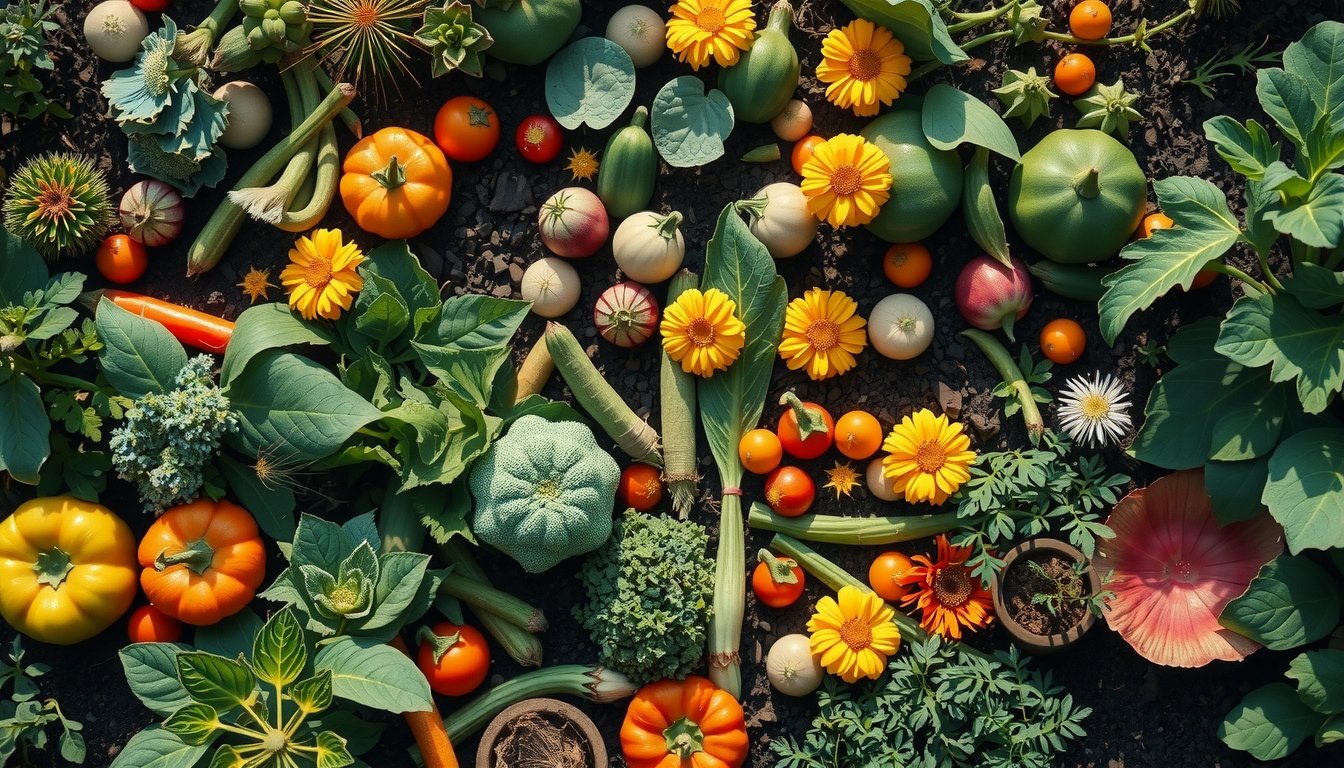
There’s a rebellion happening in gardens across America, and it smells like rain-soaked soil and tastes like freedom. Chaos gardening—the practice of scattering seeds wildly, refusing to plant in rows, and letting nature decide what thrives—is not gardening for the faint of heart. It’s gardening for those who understand that control is an illusion, that the most profound beauty emerges from surrender.
This isn’t lazy gardening. This is intimate gardening. This is you, on your knees in the dirt, whispering to seeds you’ve flung like wishes into wind, trusting them to find their own way to light.
The Philosophy of Beautiful Disorder
Chaos gardening rejects the manicured tyranny of traditional garden design. No neat rows. No careful spacing calculations. No obsessive planning over graph paper in winter months. Instead, you become a collaborator with wildness itself—mixing vegetable seeds with flower seeds, herbs with succulents, lettuce nestled against basil, tomatoes finding their own companions.
The method is deceptively simple: prepare your soil with rich compost, scatter a diverse mixture of seeds across your garden bed or container, cover lightly with potting mix, water deeply, and then—this is the hardest part—let go. Let the strongest seedlings claim their territory. Let plants intertwine and support each other in ways your careful planning never would have imagined.

Why Chaos Works: The Secret Language of Plants
Plants have been growing without human intervention for millions of years. They know things we’ve forgotten in our obsession with order. In chaos gardening, companion planting happens organically. A pepper plant might find itself shaded by tall cosmos flowers during the hottest part of the day. Lettuce might thrive in the dappled shadow of sprawling cucumber vines. Basil releases its aromatic oils near tomatoes, naturally deterring aphids and other pests.
This wild intermixing creates a living ecosystem that’s more resilient than any monoculture row. Diversity confuses pests—they can’t easily locate their preferred host plants when everything is gloriously jumbled. The varied root depths mean plants aren’t all competing for nutrients at the same soil level. And the visual result? A garden that looks like it grew from a fairy tale, lush and secret and impossibly alive.
Getting Started: Seeds of Revolution
Begin with quality soil—this is where chaos gardening demands your attention. Mix compost deeply into your garden bed, container, or even a balcony planter. The soil should feel alive in your hands, dark and crumbly and rich with potential.
Choose your seed mixture with intention, even if you’ll scatter them with abandon. Combine:
- Fast-growing greens like lettuce, arugula, and spinach
- Herbs such as basil, cilantro, dill, and parsley
- Flowers like cosmos, zinnias, nasturtiums, and marigolds
- Vegetables including radishes, carrots, peppers, and cherry tomatoes
- Vining plants like cucumbers or peas to add vertical dimension
Mix these seeds together in a bowl—this moment of combining is ritual, is magic, is you deciding to trust in growth you cannot predict.

The Sacred Act of Scattering
On a day when the soil is moist but not waterlogged, scatter your seed mixture across the prepared bed. Don’t overthink the distribution. Let your hand move in broad, generous sweeps. Some seeds will land in clusters. Others will find solitary positions. This is exactly right.
Cover the seeds lightly—no more than a quarter inch of soil or compost. Water gently, using a fine spray so you don’t displace the seeds. Then begins the most profound practice chaos gardening teaches: patience married with non-attachment.
Tending the Wild: Minimal Intervention, Maximum Presence
Chaos gardening isn’t about neglect—it’s about presence without control. Water when the soil feels dry an inch below the surface. Watch for germination, which will happen in waves as different seeds awaken at their own pace. Within days, you’ll see the first brave seedlings push through: usually the radishes and lettuce, quick and eager.
As your garden fills in, you may need to thin overcrowded areas, but be judicious. Sometimes what looks like chaos is actually perfect density—plants supporting each other, creating their own microclimate, sharing resources in ways we don’t fully understand.
Pull obvious weeds, but question whether that volunteer tomato or mysterious seedling might be exactly what your garden needs. Chaos gardening teaches you to recognize the difference between invasive weeds and beneficial volunteers.

The Harvest: Abundance from Disorder
When your chaos garden begins producing, the harvest is continuous and surprising. You’ll find cucumbers hiding under rose bushes you planted from seed. Lettuce will thrive in the shade of towering sunflowers. Herbs will release their fragrance as you brush past them reaching for ripe tomatoes.
This style of gardening extends your harvest season naturally. Because plants germinated at different times and grew at different rates, they mature in succession rather than all at once. You’ll have fresh salad greens for weeks, not just days.
Beyond the Garden Bed: Chaos in Containers
Even apartment dwellers with only a windowsill or small balcony can practice chaos gardening. Fill a large container with potting mix enriched with compost. Scatter a mixture of herbs, small flowers, and compact vegetables like lettuce or radishes. The container becomes a miniature ecosystem, a rebellion against the sterile orderliness of indoor life.
Water when the top inch of soil dries out. Fertilize monthly with a balanced organic fertilizer to replenish nutrients in the confined space. Watch as your container transforms into a wild, productive tangle that feeds both body and soul.

The Deeper Truth: What Chaos Teaches
Chaos gardening is ultimately about trust—trusting seeds to germinate, trusting plants to find their place, trusting yourself to recognize abundance even when it doesn’t look like the pictures in gardening magazines. It teaches you that perfection is overrated, that resilience comes from diversity, that the most beautiful things often emerge from what we didn’t plan.
In a world obsessed with control, chaos gardening is radical intimacy with uncertainty. It’s you, admitting you don’t have all the answers, letting life surprise you with its insistent, irrepressible growth.
This spring, scatter some seeds with abandon. Let your garden go feral. Watch what happens when you stop trying to orchestrate every detail and instead become a witness to the wild, gorgeous chaos that wants to grow through your hands.