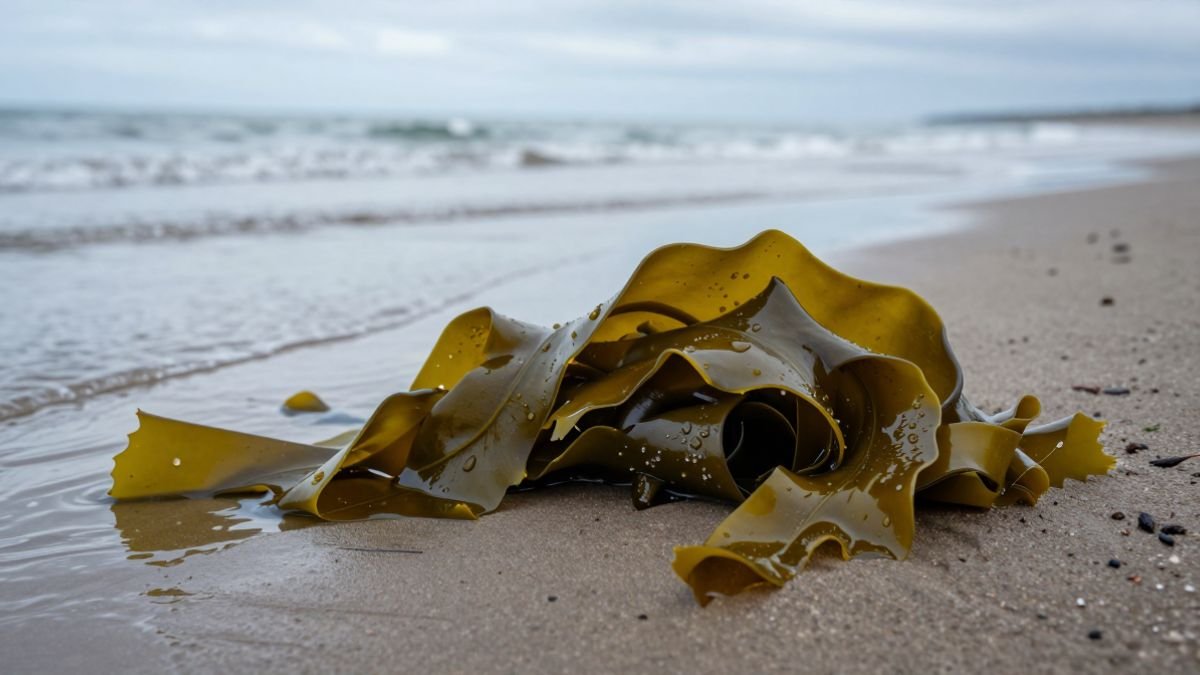
You’ve probably seen liquid seaweed fertilizer bottles lining the shelves at your local garden center, each one promising lush growth and miracle results. But here’s the truth most gardening guides won’t tell you: seaweed fertilizer works brilliantly in specific situations and does almost nothing in others. Understanding the difference can save you money and actually help your plants when they need it most.
The confusion comes from treating seaweed as a traditional fertilizer when it’s actually something quite different. Let’s cut through the marketing hype and look at when this ocean-derived product truly delivers—and when you’re better off reaching for something else.
What seaweed fertilizer actually is (and isn’t)
Liquid seaweed, usually derived from kelp or ascophyllum species, is primarily a biostimulant, not a nutrient powerhouse. If you check the NPK numbers on the label, you’ll typically see something like 0-0-1 or 1-0-4—barely any nitrogen, phosphorus, or potassium compared to conventional fertilizers.
What seaweed does contain are plant hormones (cytokinins, auxins, gibberellins), trace minerals, amino acids, and complex carbohydrates. These compounds don’t feed your plants directly. Instead, they help plants respond better to stress, improve root development, and enhance nutrient uptake from the soil.
Think of it this way: seaweed fertilizer is more like a vitamin supplement than a meal. It supports plant health and resilience, but it won’t replace the core nutrients your plants need to grow.

When seaweed fertilizer actually helps a lot
There are three scenarios where liquid seaweed truly shines, and the results can be impressive.
Transplant shock and establishment: When you move seedlings outdoors or repot a stressed houseplant, seaweed’s natural hormones help stimulate new root growth. Apply it as a soil drench at half-strength within 24 hours of transplanting, then again one week later. Many gardeners report faster establishment and less wilting during this critical period.
Stressed or recovering plants: After pest damage, heat stress, frost damage, or disease recovery, plants benefit from the growth hormones and trace elements in seaweed. It won’t cure the underlying problem, but it can speed up recovery by helping the plant mobilize its resources more efficiently. Use as a foliar spray in early morning or late evening to avoid leaf burn.
Pre-flowering and fruit set: The cytokinin content in seaweed can improve flowering and fruit development when applied just before bloom. Tomato and pepper growers often see better fruit set with bi-weekly applications starting two weeks before expected flowering.
In these situations, you’re working with seaweed’s actual strengths: helping plants cope with change and stress.
When seaweed won’t fix your problem
This is where most gardeners waste money. Seaweed fertilizer cannot solve problems caused by actual nutrient deficiencies or environmental issues.
Pale, yellowing growth from nitrogen deficiency: If your plant is light green or yellow with slow growth, it needs nitrogen—something seaweed barely contains. You need a proper nitrogen source like fish emulsion, blood meal, or a balanced fertilizer.
Compacted or depleted soil: No amount of seaweed will fix poor soil structure or exhausted nutrients. You need compost, proper fertilizer, or soil amendment. Seaweed can help plants access existing nutrients better, but it can’t create nutrients that aren’t there.
Low light conditions: Houseplants struggling in dim corners won’t suddenly thrive with seaweed. The limiting factor is light, not plant hormones. Move the plant or accept slower growth.
Severe pest infestations or disease: While seaweed can support recovery, it won’t kill aphids, treat fungal infections, or stop root rot. Address the actual problem first.
The pattern is clear: seaweed supports healthy processes but doesn’t replace missing fundamentals.
Dosage mistakes that waste your money
More is not better with seaweed fertilizer. The biostimulant compounds work at very low concentrations, and overdosing simply washes away without benefit.
Most products recommend 1-2 tablespoons per gallon of water. Many experienced gardeners find half that rate works just as well for regular applications. For transplant shock or stress recovery, full strength makes sense, but for routine use, dilute it further.
Applying weekly is overkill for most situations. Every two to three weeks during the growing season is plenty for established plants. For houseplants, once monthly from March through September is sufficient.
One expensive mistake: buying pre-diluted spray bottles instead of concentrate. You’re paying for water and packaging. Buy the concentrated liquid and mix it yourself—it’s typically one-quarter the cost per application.
Indoor houseplants vs outdoor gardens
The application strategy differs significantly between settings.
For indoor houseplants:
– Use as a soil drench, not foliar spray (unless you want sticky residue on leaves and floors)
– Apply monthly during spring and summer only
– Skip entirely from November through February when most houseplants are dormant
– Dilute to half-strength for sensitive plants like ferns and calatheas
– Best for: recovery after repotting, boosting lackluster growth in plants that are otherwise healthy
For outdoor beds and lawns:
– Foliar spray works well for vegetables and ornamentals (apply in early morning)
– Soil drench for established perennials and shrubs
– Every 2-3 weeks during active growth
– Can be tank-mixed with other organic fertilizers
– Particularly effective for tomatoes, peppers, roses, and stressed transplants

Product label cheat sheet
Not all seaweed products are equal. Here’s what to look for:
Source species: Look for Ascophyllum nodosum or kelp on the label. This North Atlantic seaweed has the best hormone profile. Products listing generic “seaweed extract” may be lower quality.
Processing method: Cold-pressed or enzymatically processed seaweed retains more beneficial compounds than heat-extracted versions. The label should mention the extraction method.
NPK numbers: Expect very low numbers (0-0-1 or similar). If the NPK is higher, the product likely has added synthetic fertilizers—not necessarily bad, but you should know what you’re buying.
Additives: Some products include fish hydrolysate, humic acids, or molasses. These can add value, but make sure you’re not paying premium prices for cheap fillers.
Concentration: Check if you’re buying concentrate or ready-to-use. Concentrates offer far better value.
The bottom line
Liquid seaweed fertilizer is a valuable tool when used strategically, not a magic solution for every garden problem. It excels at helping plants through transitions and stress, but it won’t replace proper nutrition, good soil, or adequate light.
Use it when transplanting, when plants are recovering from stress, or to support flowering and fruiting. Skip it when the real problem is nutrient deficiency, poor soil, or environmental issues that need direct solutions.
Buy concentrated versions, dilute appropriately, and don’t over-apply. Used this way, a single bottle can last an entire growing season and deliver real results exactly when your plants need them most. The key is matching the product to the actual problem—not the marketing promise.