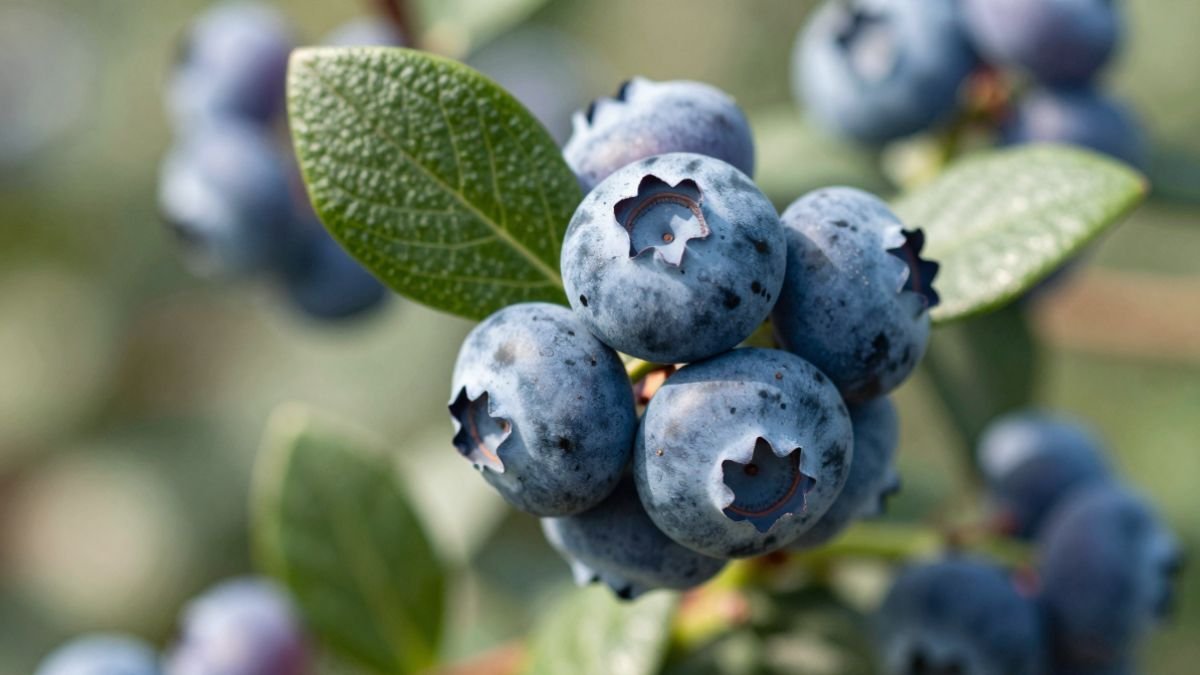
Most gardeners prune blueberries the same way they trim a hedge—cutting everything back evenly—and then wonder why their harvest shrinks year after year. The secret isn’t in how much you cut, but in knowing which canes to remove. Blueberries fruit best on wood that’s between two and six years old, and learning to identify “old canes” versus vigorous new growth is the single skill that separates a modest crop from baskets overflowing with berries.
Right now, in mid-December, your blueberry bushes are dormant and ready for their annual haircut. Pruning during this window—from late fall through early spring, before buds swell—gives you a clear view of the plant’s structure and sets the stage for a bumper crop next summer.
Why the “old cane” rule matters
Blueberry canes don’t live forever. After about six to eight years, older canes produce fewer, smaller berries and become more prone to disease. They’re easy to spot: thick, gnarled, with peeling bark and stubby side branches. Meanwhile, younger canes—smooth, upright, with tight bark—are your future fruit factories.
The “old cane” rule is simple: remove any cane older than six years, starting with the thickest, most unproductive wood. This forces the plant to channel energy into younger, more vigorous canes that will reward you with larger, sweeter berries.
Think of it as crop rotation, but vertical. You’re cycling out the exhausted workers and promoting the rising stars.

How to tell old wood from new wood
Before you make a single cut, walk around your bush and study the canes. Here’s what to look for:
Old canes (6+ years):
– Diameter thicker than your thumb
– Bark is gray, rough, or peeling in strips
– Few lateral branches, or short, stubby ones
– Often leaning or arching outward
– Lichen or moss may be growing on the surface
Young, productive canes (2–5 years):
– Smooth, tight bark in shades of green, red, or brown
– Upright and vigorous
– Plenty of healthy side shoots
– Bark has a slight sheen
Brand-new canes (1 year):
– Very thin, whip-like
– Bright green or reddish
– No side branches yet
Your goal is to keep a mix of ages, with the bulk of your bush made up of canes in that sweet spot of two to five years old.
Timing your pruning
The best time to prune blueberries in the United States is late winter to early spring, ideally between January and March, depending on your zone. In warmer regions (zones 8–9), you can prune as early as December or January. In colder areas (zones 3–5), wait until late February or early March, after the worst freezes but before buds break.
Pruning now, in mid-December, is perfectly fine if you’re in a milder climate or if your bushes are fully dormant. The key is to finish before new growth starts.
Avoid pruning in late spring or summer—you’ll cut off this year’s fruit and stress the plant during active growth.

Pruning young bushes (1–3 years old)
Young blueberries need patience, not aggressive pruning. Your goal is to build a strong framework, not harvest berries.
Year 1:
– Remove all flower buds. Yes, all of them. This sounds harsh, but it lets the plant invest energy in root and branch development instead of fruiting.
– Cut off any weak, spindly growth.
– Leave 3–5 of the strongest, most upright canes.
Years 2–3:
– Continue removing most flower buds (or let the plant fruit lightly if it’s vigorous).
– Prune out any canes that are crossing, damaged, or growing horizontally.
– Aim for an open, vase-shaped structure with 5–7 strong canes.
This early discipline pays off. By year four, you’ll have a robust bush capable of heavy production.
Pruning mature bushes (4+ years old)
Once your bush is established, switch to maintenance pruning focused on the old cane rule.
Step 1: Remove the oldest canes.
Cut 1–3 of the thickest, most unproductive canes all the way to the ground. Use sharp bypass pruners or a pruning saw for thick wood. Don’t leave stubs—cut flush with the soil line.
Step 2: Thin out weak or damaged wood.
Remove any canes that are:
– Dead, diseased, or broken
– Thin and twiggy with no vigor
– Crossing through the center of the bush
– Lying on the ground
Step 3: Trim back lateral branches.
On the canes you’re keeping, shorten overly long side branches by about one-third. Cut just above an outward-facing bud to encourage open growth.
Step 4: Select and keep new canes.
Leave 2–4 of the best new canes (1–2 years old) to replace the old ones you removed. Choose canes that are vigorous, upright, and well-spaced around the base.
A mature bush should have 8–12 total canes of mixed ages, with good air circulation in the center.

Common pruning mistakes to avoid
Topping the entire bush:
Cutting everything back to the same height (like a hedge) removes fruiting wood and creates a dense tangle of weak shoots. Blueberries fruit on the tips of last year’s growth—if you lop off the tops, you lose berries.
Removing too much fruiting wood:
Don’t get carried away. If you remove more than one-third of the bush in a single year, you’ll sacrifice next summer’s crop. Prune conservatively, especially if you’re new to this.
Ignoring the base:
Many gardeners focus on the top and ignore the crowded mess at ground level. The oldest, least productive canes are down low—that’s where you should concentrate your cuts.
Pruning too late:
If you wait until buds swell or leaves emerge, you’re cutting off flowers and stressing the plant. Stick to the dormant season.
Aftercare and what to expect
After pruning, rake up and dispose of all cuttings to reduce disease pressure. If your bushes are mulched (they should be), refresh the mulch layer to 2–3 inches of pine bark, wood chips, or pine needles. Blueberries love acidic soil, so avoid hardwood mulches.
Don’t fertilize immediately after pruning. Wait until early spring, just as buds begin to swell, then apply an acid-loving fertilizer (such as one formulated for azaleas or blueberries) according to package directions.
What you’ll see:
In spring, the canes you kept will leaf out vigorously and set clusters of white, bell-shaped flowers. By early summer, those flowers will swell into green berries, ripening to blue by mid to late summer depending on your variety.
Because you removed old, unproductive wood, the remaining canes will produce larger berries, more of them, and with better flavor. The bush will also be healthier, with better air circulation reducing fungal diseases like mummy berry and powdery mildew.

Your pruning checklist
Before you head outside, grab:
– Sharp bypass pruners (for canes up to ¾ inch)
– Loppers or a pruning saw (for thick, old canes)
– Gloves
– A bucket or tarp for cuttings
Then follow this sequence:
1. Step back and observe the bush. Identify the oldest canes.
2. Cut 1–3 old canes to the ground.
3. Remove dead, damaged, or crossing wood.
4. Thin crowded areas and shorten long laterals.
5. Select and keep 2–4 vigorous new canes.
6. Clean up and mulch.
The whole process takes 10–20 minutes per bush once you get the hang of it.
The payoff
Pruning blueberries isn’t about cutting as much as possible—it’s about making strategic choices that balance youth and maturity. By learning to recognize old canes and removing them faithfully each year, you’re not just tidying up a shrub. You’re engineering a more productive, longer-lived plant that will reward you with bowls of sweet, plump berries for decades.
This winter, take a closer look at your blueberry bushes. Find the old canes. Cut them out. And next summer, when you’re picking berries by the handful, you’ll know exactly why.