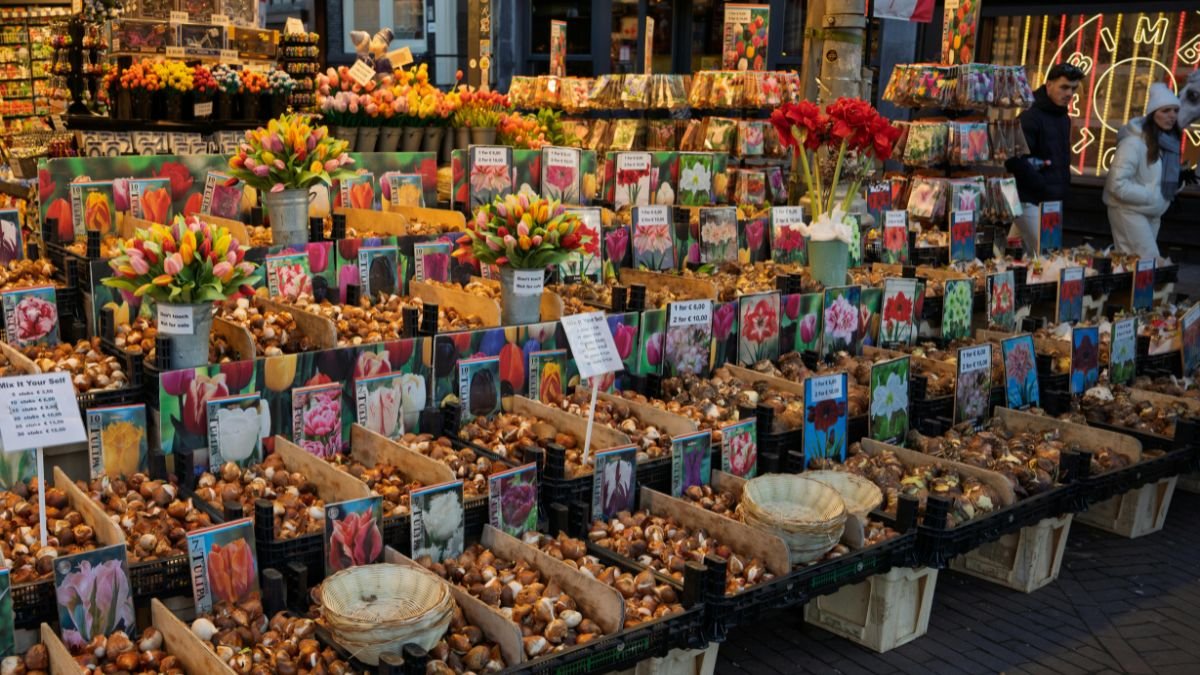
Most gardeners blame their soil, their climate, or bad luck when spring bulbs refuse to bloom. But the real culprit? The damage was already done months earlier, sitting quietly in your garage or basement while you weren’t looking.
Bulb failure doesn’t start in the ground. It starts in storage. And right now, in mid-December, the bulbs you’re planning to plant this winter or early spring are either being preserved perfectly or slowly dying in conditions you think are harmless.
The three silent killers hiding in your storage space
Spring bulbs—tulips, daffodils, hyacinths, crocuses—are living organisms in a state of suspended animation. They’re not dormant rocks. They’re breathing, moisture-sensitive bundles of potential that can rot, dry out, or trigger bloom failure long before they ever touch soil.
Three factors determine whether your bulbs will explode into color or sit stubbornly underground come April: temperature, airflow, and moisture control. Get even one wrong, and you’re setting yourself up for disappointment.
Temperature: The Goldilocks zone you’re probably missing
Bulbs stored too warm will either sprout prematurely (wasting energy before planting) or fail to develop the root structures they need. Store them too cold, and they’ll freeze, turning to mush internally even if they look fine on the outside.
The ideal range is 35°F to 50°F (1.5°C to 10°C). Not your heated basement. Not your uninsulated shed. Not the back of your fridge where vegetables freeze.
Most garages in the US swing wildly in temperature during winter. A 60°F day in December can push your bulbs into premature growth mode. A hard freeze overnight can kill them outright.
What to do instead:
- Use a min/max thermometer in your storage area to track actual conditions, not what you assume.
- Store bulbs in a cool, insulated closet, unheated mudroom, or refrigerator crisper drawer (away from apples and other ethylene-producing fruit, which trigger bulb deterioration).
- If using a garage, insulate the storage container and monitor weekly.
Airflow: Why that sealed plastic bag is a death trap
Bulbs need to breathe. Sealed plastic bags or airtight containers create the perfect environment for mold, mildew, and rot. Even a small amount of trapped moisture becomes a petri dish.
Yet most bulbs are sold in mesh or perforated bags for a reason. Once you get them home, many gardeners transfer them into sealed bins “to keep them safe.” You’re actually suffocating them.
What to do instead:
- Store bulbs in mesh bags, paper bags with holes punched in them, or open cardboard boxes.
- Layer them in single rows with space between each bulb. Don’t pile them.
- Use dry peat moss, sawdust, or shredded newspaper as a cushioning layer that allows air circulation.
- Check weekly for soft spots, mold, or shriveling.

Moisture control: The invisible line between life and death
Bulbs are Goldilocks about moisture, too. Too dry, and they shrivel, losing the energy reserves they need to bloom. Too wet, and they rot from the inside out.
The problem? You can’t see internal rot until it’s too late. A bulb can look perfect on the outside and be a mushy disaster inside.
Humidity should hover around 60-70%. Most homes in winter drop below 40% due to heating. Unheated garages can spike to 90% during rain or snow.
What to do instead:
- If your storage area is too dry (below 50% humidity), lightly mist the peat moss or newspaper cushioning—never the bulbs directly.
- If it’s too humid, add a small container of silica gel or dry rice nearby (not touching the bulbs) to absorb excess moisture.
- Inspect bulbs every 7-10 days. Toss any that feel soft, show mold, or smell sour.
The pre-plant checklist that prevents spring heartbreak
Before you plant any bulb—whether in late December, January, or early March depending on your zone—run this quick quality check:
- Firm to the touch: No soft spots, no give when you squeeze gently.
- No visible mold: A little papery skin flaking off is fine. Fuzzy white, green, or black patches are not.
- Heavy for their size: Shriveled, lightweight bulbs have lost too much moisture.
- No sprouts longer than 1 inch: A tiny green tip is okay. A 3-inch shoot means the bulb has already used energy it needed for roots.
If a bulb fails any of these tests, compost it. Planting a compromised bulb wastes time, space, and hope.

Why “I stored them like last year” isn’t good enough
Every winter is different. The mild December that worked in 2024 might be followed by a brutal cold snap in 2025. Your basement might be drier this year because you’re running the heater more.
Storage isn’t a set-it-and-forget-it task. It’s an active process that requires weekly attention from the moment you buy or dig up bulbs until the moment they go into the ground.
Most bulb failure isn’t about bad bulbs. It’s about good bulbs stored badly.
What to do right now (December 2025)
If you have spring bulbs waiting to be planted:
- Check them today. Pull them out. Inspect every single one.
- Measure the temperature and humidity in your storage area.
- Adjust immediately if you’re outside the safe zones.
- Set a weekly reminder to inspect until planting time.
If you’re in USDA zones 6-9 (most of the US and temperate Western Europe), you still have time to plant tulips, daffodils, and hyacinths through late January or even early February, as long as the ground isn’t frozen solid.
But the clock is ticking. And every day your bulbs sit in poor storage conditions, their chances of blooming drop.
Spring doesn’t start in March. It starts right now, in the dark corner of your garage, with a thermometer and a little attention.