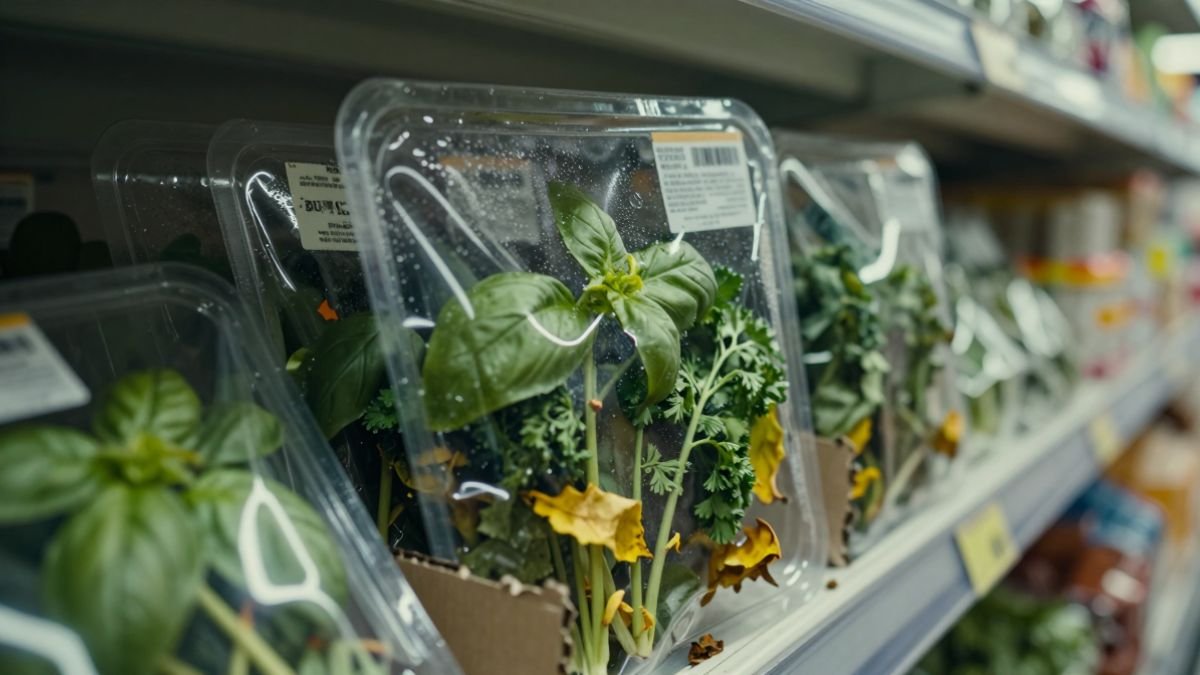
You know that feeling when you bring home a bundle of fresh basil from the grocery store, use three leaves for dinner, and find a slimy green puddle in your crisper drawer three days later? We’ve all been there. And honestly, we’re tired of paying $4.99 for herbs that have already given up on life.
Here’s the truth nobody tells you: growing your own vegetables in pots is easier than keeping a houseplant alive. You don’t need a sprawling backyard, fancy equipment, or even full sun. If you’ve got a balcony, a windowsill, or a sad corner of a patio that gets a few hours of light, you can grow real food that actually tastes like something.
This isn’t about becoming a homesteader or starting a permaculture revolution. This is about having fresh greens on a Tuesday night without leaving your apartment—and never again buying those depressing plastic clamshells of “living herbs” that die the moment you look at them wrong.

The beginner wins: vegetables that actually want to grow in pots
Let’s start with the plants that are almost impossible to kill. These are your gateway crops—the ones that’ll make you feel like a gardening genius even if you’ve never grown anything before.
Leafy greens (lettuce, spinach, arugula): These are the MVPs of container gardening. They grow fast (harvest in 3-4 weeks), don’t need deep pots (6-8 inches is fine), and they actually prefer cooler weather and partial shade. Plant them densely, snip the outer leaves as you need them, and they’ll keep producing. One 12-inch pot can give you salad for weeks.
Radishes: If you need instant gratification, radishes are your plant. They go from seed to crunchy, peppery perfection in 25-30 days. Grow them in shallow containers (6 inches deep), space them 2 inches apart, and watch them basically raise themselves. Bonus: their greens are edible too.

Scallions (green onions): The ultimate lazy gardener’s crop. Stick the white root ends from store-bought scallions into soil, water them, and they’ll regrow indefinitely. Or plant seeds—they’re ready to harvest in 60 days and you can keep cutting and regrowing from the same roots.
Bush beans: These compact plants don’t need trellising and produce pods for weeks. Use a 10-12 inch deep pot, plant 4-6 seeds, and you’ll have fresh beans in about 50-60 days. They need at least 5-6 hours of sun, but they’re shockingly productive for the space they take up.
Cherry tomatoes (if you’ve got sun): Yes, they need 6-8 hours of direct light, but if you have it, cherry tomatoes in pots are pure magic. Choose dwarf or patio varieties, use a 5-gallon container minimum, and add a small cage for support. One plant can give you dozens of sweet, sun-warmed tomatoes all summer.
The pot size and soil mix that actually matters
Pot sizes:
- Greens, radishes, herbs: 6-8 inches deep
- Scallions, bush beans: 10-12 inches deep
- Cherry tomatoes, peppers: 5-gallon buckets or 12+ inches deep
Soil mix: Skip garden soil—it’s too heavy. Use a quality potting mix (it’s light and drains well) or make your own: equal parts peat moss (or coco coir), compost, and perlite/vermiculite. Add a handful of slow-release organic fertilizer and you’re set.
Watering: Pots dry out faster than garden beds. Stick your finger 2 inches into the soil—if it’s dry, water deeply until it drains out the bottom. In hot weather, this might be daily. In cooler months, every 2-3 days.

What to grow by sunlight hours
Not all balconies are created equal. Here’s what thrives based on how much light you actually get:
| Sunlight | What to grow |
|---|---|
| 2-4 hours (Shady) | Lettuce, spinach, arugula, kale, parsley, cilantro, mint, chives |
| 4-6 hours (Partial) | Radishes, scallions, chard, bok choy, peas, bush beans |
| 6+ hours (Full Sun) | Tomatoes, peppers, cucumbers, zucchini, basil, thyme |
Three fail-proof planting timelines
Spring (March-May): Start with cool-season crops—lettuce, spinach, radishes, peas, scallions. These love temperatures between 50-70°F and will bolt (go to seed) once it gets hot.
Summer (June-August): Transition to heat lovers—tomatoes, peppers, basil, bush beans, cucumbers. Plant in late spring so they’re established before the peak heat.

Fall (September-November): Go back to greens—arugula, kale, lettuce, radishes. They’ll grow through fall and even into winter in mild climates. The cool nights make them extra sweet.
The honest truth about container gardening
You’re not going to replace your grocery bill. But you will have fresh basil for pasta, crisp lettuce for tacos, and the quiet satisfaction of eating something you grew with your own hands. And that sad supermarket herb section? It’s going to start looking a lot less appealing.
Grab a pot, some soil, and a packet of seeds. Start with one thing—just one. Lettuce is foolproof. Radishes are fast. Scallions are borderline unkillable. Pick your easy win and go.
Your balcony is more powerful than you think.