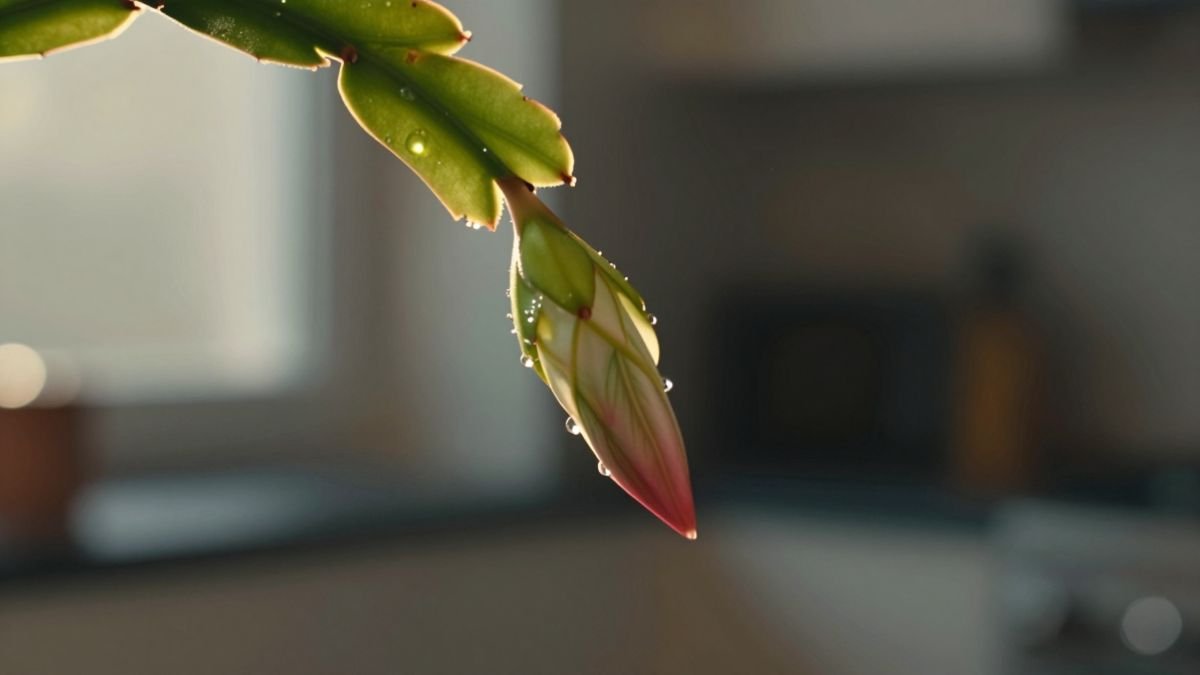
You’ve been watching those perfect little buds form for weeks, counting down to the moment your Christmas cactus finally blooms. Then one morning, you find them scattered on the windowsill like tiny broken promises. We’ve all been there, and it’s absolutely heartbreaking.
The good news? This isn’t a death sentence for your plant. Bud drop is actually your cactus trying to tell you something—and once you understand the language, you can prevent it from happening again.
The real reasons your buds are falling
Temperature shock is the biggest culprit. Christmas cacti are sensitive creatures. If you’ve moved your plant recently—even from one room to another—or if it’s sitting near a heating vent or drafty window, those buds will drop faster than you can say “holiday cheer.” These plants evolved in Brazilian rainforests where temperatures stay consistently mild.
Inconsistent watering creates stress. Too much water, too little water, or erratic watering schedules all trigger bud drop. Your cactus needs steady moisture during budding season—not bone-dry, not soggy, but somewhere in that Goldilocks zone.
Low humidity is working against you. Most homes in winter hover around 30-40% humidity, but your Christmas cactus prefers 50-60%. When the air is too dry, the plant can’t support all those developing buds and makes the tough choice to drop them.

What to do right now
If you’re currently watching buds fall, here’s your rescue plan:
Stop moving the plant. Seriously—leave it alone. Every time you relocate it, you’re resetting the adjustment clock. Find one spot and commit.
Check your watering routine. Stick your finger an inch into the soil. It should feel like a wrung-out sponge—slightly moist but not wet. Water when the top inch dries out, but don’t let it get completely parched.
Create a humidity bubble. Place your pot on a pebble tray filled with water (make sure the pot sits above the water line). Or group your Christmas cactus with other plants—they’ll create their own little humid microclimate.
Keep temperatures steady. Aim for 60-70°F consistently. Avoid placing near radiators, fireplaces, or AC vents.
Prevention for next year
The secret to reliable blooms starts months before you see buds. In October, give your Christmas cactus 6 weeks of cool nights (50-55°F) and 12-14 hours of darkness per day. This mimics the Brazilian fall season and triggers bud formation.
Once buds appear, maintain absolute consistency. Same watering schedule, same location, same temperature range. Think of your plant as being in deep meditation—any disruption breaks the spell.
Feed lightly during budding season with a diluted bloom-booster fertilizer (half strength, every 2-3 weeks). Too much fertilizer can actually cause bud drop, so err on the side of less.

The patience factor
Here’s the truth we all need to hear: some bud drop is normal. If your plant loses 10-15% of its buds, that’s just natural selection—the plant focusing its energy on the strongest blooms. It’s when you’re losing 50% or more that you need to investigate.
And if this year is already lost? Don’t give up. Christmas cacti can live for decades, blooming more abundantly each year once you dial in their care. This is just one season in what could be a 20-year relationship.
Your plant isn’t trying to frustrate you. It’s trying to survive in conditions that don’t quite match what it needs. Make those small adjustments now, and next December, you’ll have the spectacular bloom show you’ve been dreaming of.