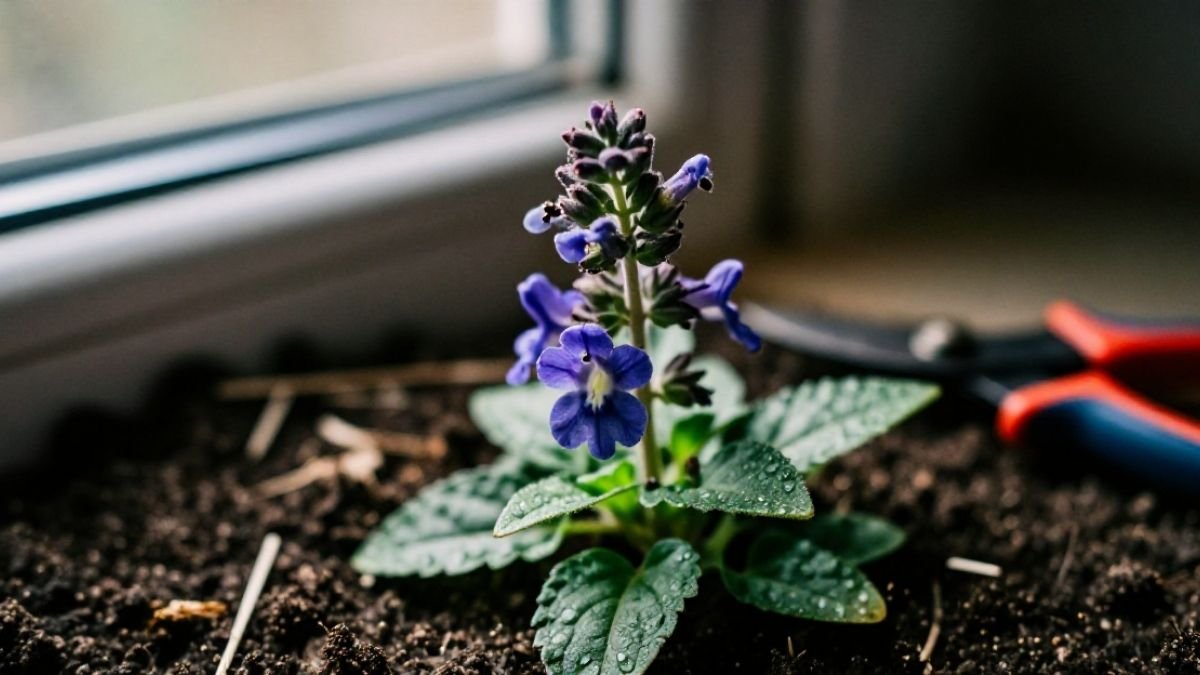
You’re standing in your apartment, staring at a withered basil plant on the windowsill. You forgot to water it again. It’s such a small thing—just a plant—but something about watching those leaves curl inward hits differently than tossing out expired groceries or leaving lights on overnight.
That moment? That’s the shift.
Gardening doesn’t lecture you about climate change. It doesn’t guilt-trip you into being more sustainable. Instead, it quietly pulls back the curtain on how everything—water, soil, sunlight, waste—is connected. And once you see it, you can’t unsee it.
The observation muscle you didn’t know you had
Most of us move through the day on autopilot. We turn on faucets without thinking. We throw “dirt” in the trash without wondering where it came from.
But the second you’re responsible for keeping something alive, your brain wakes up. You notice the weight of the watering can. You start checking if the soil is damp or bone-dry before adding more. You realize that too much water kills just as fast as too little.
This isn’t some mystical eco-awakening. It’s pattern recognition. Your brain starts asking: What does this plant actually need? And that question—applied to one tomato seedling—eventually spills into the rest of your life.
You start noticing how much water runs while you brush your teeth. You wonder why your shower takes three minutes to heat up. You see waste differently because you’ve watched potato peels turn into compost that feeds new growth.

Slowing down isn’t optional—it’s survival (for the plant)
Here’s what gardening forces you to accept: you cannot rush a seed.
No amount of hovering, worrying, or Googling “why isn’t my lettuce growing faster” will speed up photosynthesis. Growth happens on nature’s clock, not yours.
And weirdly, that’s the most valuable lesson.
In a culture obsessed with instant results, gardening teaches you to wait. To check in without controlling. To trust that if you create the right conditions—good soil, enough light, consistent care—things will happen when they’re ready.
That mindset shift leaks into everything. You become more patient with yourself. You stop expecting overnight transformations. You start thinking in seasons instead of days.
Sustainability stops being abstract
Before you garden, “sustainability” feels like something corporations should handle or a buzzword on reusable tote bags.
After you garden? It’s personal.
You see exactly how much water one pepper plant needs per week. You realize that buying a plastic pot every season is wasteful when you could reuse yogurt containers or old buckets. You discover that food scraps aren’t trash—they’re future soil.
Here’s how to make your garden more sustainable without overthinking it:
Compost your kitchen scraps. Even a small bin under the sink works. Coffee grounds, eggshells, banana peels—they all break down into rich fertilizer.
Reuse containers. Milk jugs, takeout containers, cracked mugs—if it holds soil and has drainage holes, it’s a pot.
Catch rainwater. A bucket under a downspout saves gallons. Use it for watering instead of running the hose.
Mulch with what you have. Grass clippings, shredded newspaper, fallen leaves—all of these keep soil moist and reduce how often you need to water.
Choose perennials when possible. Plants that come back year after year (like herbs, strawberries, and asparagus) mean less replanting and fewer resources spent.
None of this requires a big yard or expensive tools. A windowsill herb garden teaches the same lessons as a backyard plot.

Teaching the next generation (and the previous one)
Kids don’t need a lecture about climate change. They need dirt under their fingernails.
Hand a five-year-old a seed, let them plant it, and watch them check on it every single day. They’ll ask questions you’ve never thought about: Why does the stem grow up and the roots grow down? Where does the water go? Can we eat this yet?
Seniors, especially those who grew up gardening, often reconnect with something deeply familiar. Muscle memory kicks in. Stories come out. A simple act—planting tomatoes with a grandparent—becomes a bridge between generations and a reminder that sustainability isn’t new. It’s how people lived before convenience became the default.
Five tiny changes you can make this week
You don’t need to overhaul your life. Start small:
- Grow one thing. Basil, green onions, a succulent—anything that requires daily attention.
- Save your vegetable scraps. Toss them in a jar and start a compost pile, even if it’s just on your counter for now.
- Reuse one container as a planter. Drill a hole in the bottom of a tin can or yogurt cup.
- Water something with leftover drinking water. That half-finished glass on your nightstand? Pour it into a plant instead of the sink.
- Observe one thing outside. A tree, a weed growing through concrete, a bird. Just notice it for thirty seconds.
That’s it. No pressure. No guilt.
Because here’s the truth: gardening doesn’t make you a perfect environmentalist. It just makes you more aware. And awareness—quiet, gradual, rooted in something real—is where every lasting change starts.