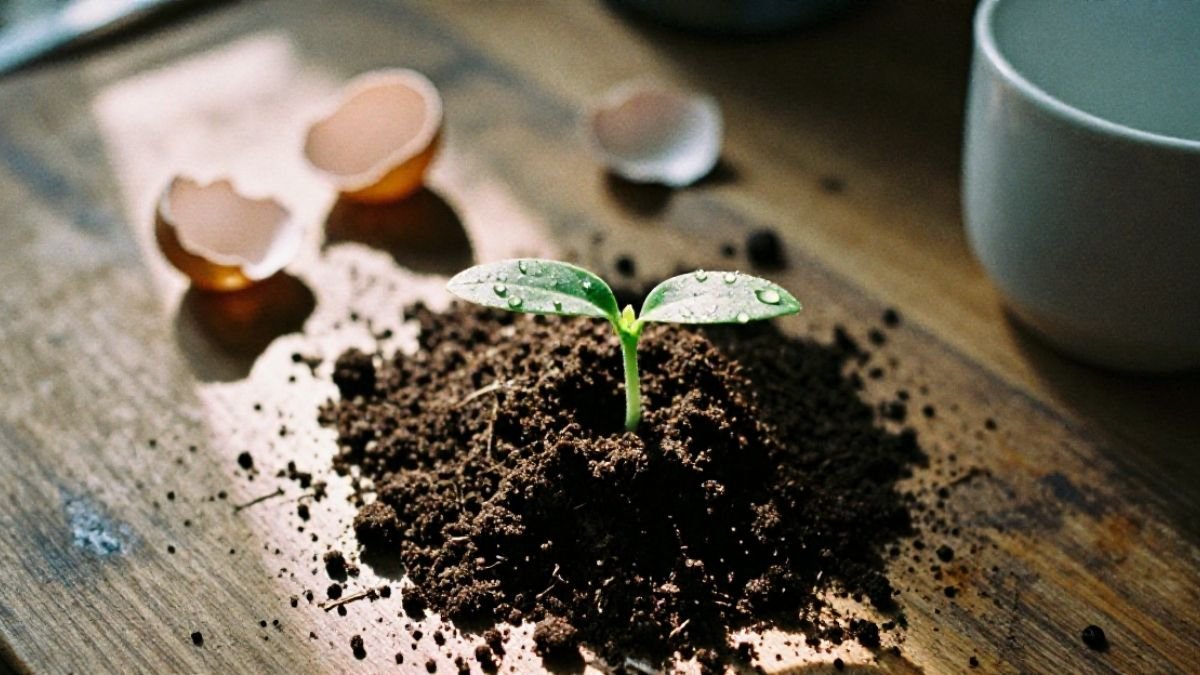
Ever scroll through gardening content and wonder why everyone’s yard suddenly looks like a Pinterest board? It’s not luck—small garden ideas are exploding right now because more people are realizing you don’t need acres to grow something beautiful. And some of the cleverest tricks? They’re coming from unexpected places, like the rugged world of workwear brands.
Whether you’re working with a tiny patio, a narrow side yard, or just want to make gardening easier on your back and knees, these seven ideas are getting copied for a reason: they work, they look good, and they don’t demand a full weekend of labor.
Why small garden ideas are trending
Urban and suburban gardeners are running out of space—but not ambition. Compact gardens force creativity, and social media loves a good “before and after” transformation. Add in the fact that more seniors and busy families want low-maintenance, high-impact setups, and you’ve got a perfect storm of practical garden hacks going viral.

1. Container gardens with layered heights
Forget the single sad pot on your porch. Stacking containers at different heights creates visual drama without eating up square footage. Use overturned crates, plant stands, or even old wooden ladders to elevate smaller pots.
Why it works: Your eyes travel vertically, making a cramped space feel bigger. Plus, you can move everything around when you get bored—or when your tomatoes need more sun.
Pro tip: Mix ornamental plants with edibles. A basil plant next to a trailing petunia? Chef’s kiss.
2. Vertical herb ladders
Leaning wooden or metal ladders against a wall, each rung holding a pot of herbs, is Instagram gold. Rosemary, thyme, parsley, and mint all thrive in this setup.
Why it works: Vertical gardening saves ground space and puts your herbs at waist height—no bending, no forgotten cilantro dying in the back corner.
Bonus: Harvest while you cook. Just walk outside, snip, and go.

3. Pollinator corners with native wildflowers
Dedicate one small, messy corner to native wildflowers and grasses. Let it go a little wild. Bees, butterflies, and hummingbirds will thank you, and neighbors will ask for your “secret.”
Why it works: Native plants need less water, zero fertilizer, and they self-seed. It’s the laziest way to look like a gardening genius.
Start with black-eyed Susans, coneflowers, or anything labeled “pollinator-friendly” at your local nursery.
4. Salvia-heavy color beds
If you search “salvia gardening,” you’ll see why this plant is having a moment. Salvia varieties come in deep purples, reds, and blues—colors that pop against green foliage and bloom for months.
Why it works: Salvias are drought-tolerant, deer-resistant, and hummingbirds love them. Plant them in clusters for a bold, professional-looking color block.
Try pairing ‘Black and Blue’ salvia with yellow coreopsis for contrast that stops people mid-stroll.

5. Raised beds with built-in seating
Build or buy a raised bed with wide wooden edges that double as benches. You garden at a comfortable height, and when you’re done, you sit and admire your work.
Why it works: Senior-friendly and back-saving. No kneeling, no stooping. Just planting, weeding, and harvesting at waist level.
Use untreated cedar or composite materials. Add a cushion for extra comfort.
6. The “workwear utility garden” (inspired by Duluth Trading Company)
Here’s the unexpected one: People are designing gardens around workwear functionality. Think tool belts mounted on fence posts, heavy-duty knee pads hanging on hooks, and canvas aprons with pockets for seed packets and pruners—all displayed like functional art.
Why it works: Brands like Duluth Trading Company built empires on tough, practical gear. Gardeners are borrowing that aesthetic: visible tools, rugged materials, and zero fuss. Mount a pegboard on your shed, hang your gloves, trowels, and watering can. Suddenly your garden feels like a pro’s workshop.
Bonus points for using galvanized metal buckets, carabiner clips, and canvas tool rolls. It’s utilitarian chic.

7. Micro-pathways with gravel or mulch
Even a tiny garden benefits from a clear path. Lay down 6-12 inches of pea gravel or wood chips to define walking areas and reduce mud tracking.
Why it works: Paths make small spaces feel intentional instead of chaotic. They also prevent soil compaction around your plants.
Edge with bricks or stones for a finished look.
Mini checklist to start this weekend
Pick ONE idea from the list. Don’t try to do everything at once.
- Measure your space and sketch it out (even on a napkin).
- Hit the nursery or hardware store for supplies.
- Prep soil, arrange containers, or mark pathways.
- Plant or install by Sunday evening.
Small gardens don’t need to be complicated. They just need a little strategy—and maybe a borrowed idea from someone else’s yard. Start with one corner, one bed, one ladder. The momentum builds from there.