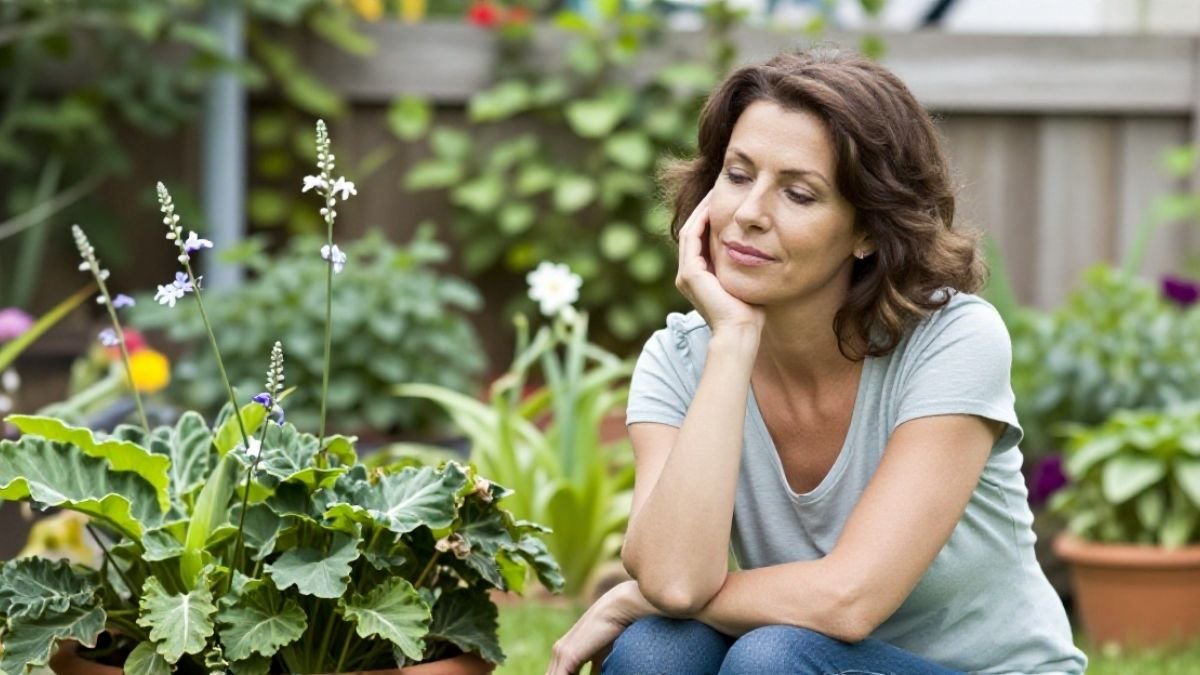
Have you ever stepped outside after a long, draining day, put your hands in the soil, and felt your shoulders drop almost instantly?
Many people describe this as “my therapy,” long before they learn there’s real science behind the calm.
A few years ago, a burned-out office worker shared that the only thing keeping her sane during a stressful product launch was tending to a small container garden on her balcony. Ten minutes with her herbs, she said, felt more restorative than an hour scrolling on her phone. She’s not alone—research shows our bodies respond to gardening in ways that look a whole lot like natural stress relief.
The science behind gardening’s calming effect
You don’t have to be outdoorsy to benefit from soil, sunlight and plants. Studies show that gardening lowers cortisol, the stress hormone that spikes during pressure-filled days.
A few key findings:
- Heart rate and blood pressure drop after even brief gardening sessions.
- Exposure to natural light helps regulate circadian rhythms, which can improve sleep.
- Touching soil may boost serotonin thanks to harmless microbes that appear to elevate mood.
Think of gardening as a built-in reset button. It slows your breathing, anchors your attention and gives your brain a break from constant stimulation.

Why seniors and younger adults benefit in different ways
Gardening is one of those rare habits that adapts to your stage of life.
For seniors
Older adults often say gardening gives them a sense of purpose. Daily or weekly plant care offers gentle structure without pressure. Research links gardening to:
- Better mobility due to low-impact movement
- Improved cognitive resilience
- Reduced loneliness and stronger community ties through shared gardens
It’s a simple activity that keeps the body moving and the mind engaged—two things that matter as we age.
For younger adults
People in early or mid-career stages tend to crave balance more than ever. Gardening provides:
- A reason to step away from screens
- A hands-on project with visible payoff
- A physical outlet for stress and rumination
It’s grounding, literally and mentally, especially for those who feel their days disappear behind a laptop.
Five tiny gardening rituals to calm your day
You don’t need a huge yard or hours of free time. These micro-rituals fit easily into busy routines and can shift your mood fast.
1. The 60-second soil check
Press your fingers into the soil and notice the temperature and texture. This simple sensory pause pulls your brain out of overthinking mode.
2. The morning leaf scan
Walk by your plants and look for new growth, color changes or tiny buds. It’s a daily moment of quiet optimism.
3. The evening water reset
Instead of scrolling before dinner, water your plants slowly. Match your breathing to the pace of the water flow.
4. The pruning breath
Trim a single leaf or stem. With each snip, take one intentional breath. It’s a miniature form of mindfulness.
5. The weekend repot
Spend 10 minutes giving one plant a slightly bigger home. The act of helping something grow often mirrors how you want to grow yourself.

Safety tips for older gardeners
Gardening is gentle, but it still uses muscles and joints. A few adjustments make it safer and more comfortable:
- Use raised beds or containers to reduce bending and back strain.
- Wear supportive gloves to protect thin or sensitive skin.
- Add seating or kneelers for longer tasks like weeding.
- Avoid gardening during peak heat, especially in humid climates.
- Stay hydrated, even if you’re only outdoors for a short session.
Small precautions keep gardening enjoyable at any age.
If gardening already feels like therapy to you, that’s because your body recognizes it as healing. Whether you’re 25 or 85, the mix of fresh air, movement and small daily wins creates a ripple effect on your mood and health.
So plant one thing—just one—and see what happens. Your future self might thank you for the quiet moments you’ve built into your life.