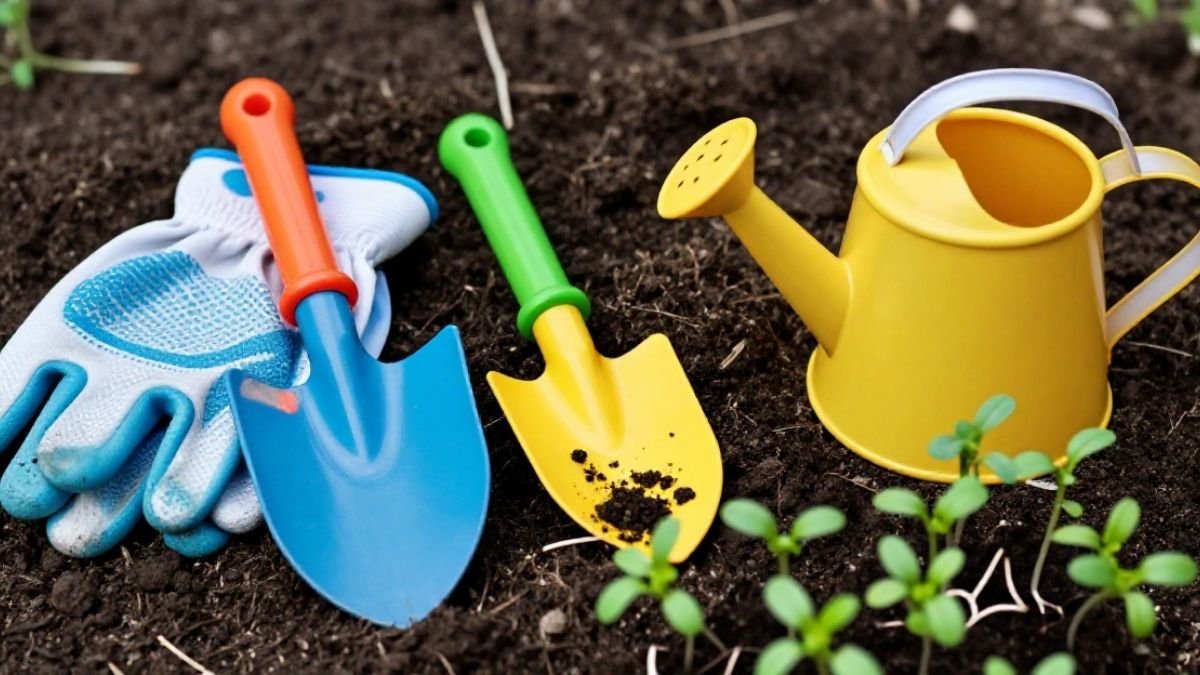
Ever watched your child glaze over during screen time and thought, there has to be a better way? One parent shared that their bored, cranky 7-year-old became a totally different kid the moment he planted his first seed. Ten minutes later, he was proudly watering “his garden,” asking when he could check on it again.
Gardening has that effect. It gives kids purpose, movement, and a bit of magic. And the good news? You only need a few kid-friendly gardening tools to spark that same transformation at home.
Why gardening clicks with kids
Children love anything that feels like “real” work. Digging, watering, carrying soil—these are all tasks that build confidence and calm their busy minds.
Gardening also gives them instant feedback. A sprout emerging from soil is far more exciting than another level in a game. For many families, it becomes a shared ritual that replaces passive screen time with outdoor curiosity.
The best gardening tools for kids (safe, lightweight, durable)
Look for real tools, just scaled down. Plastic toy sets break quickly and frustrate young gardeners.
Kid-safe trowel:
Choose a lightweight metal trowel with rounded edges. Perfect for digging small holes without risk of sharp corners.
Soft garden gloves:
Kids love having their own pair. Pick flexible, breathable gloves that protect from splinters and mystery “ouchies.”
Mini watering can:
A 1–2-liter can helps them avoid overwatering while still feeling in charge. Go for metal or sturdy BPA-free plastic.
Small hand rake:
Ideal for smoothing soil and gathering leaves. Look for a short handle to keep it easy to control.
Optional extras:
Kneeling pad, kid apron, color-coded plant markers.
Keep the toolkit minimal. The goal is mastery, not clutter.
Three easy gardening projects that hook kids instantly
Mini salad bed
Kids love planting seeds they can eat fast. Leaf lettuce, radishes, and spinach sprout quickly and stay low-maintenance. Use a shallow container or a 2×2 garden patch. Let your child sprinkle seeds and mist them daily.
Pollinator pot
Fill a pot with bee-friendly options like marigolds, zinnias, and lavender. Kids enjoy spotting butterflies and bees, turning this into a small wildlife-watching station.
Pizza-herb box
Basil, oregano, and parsley grow well together and smell incredible. Kids love harvesting leaves and adding them to homemade pizza night.
Each project is small, doable in under 20 minutes, and rewarding within days or weeks.

Safety tips every parent should know
- Supervise digging tools until your child shows control.
- Choose sunny, visible areas so you can check on them while they explore.
- Teach gentle watering to avoid root rot and muddy messes.
- Avoid fertilizers and pesticides in kids’ garden spaces.
- Reinforce hand-washing after gardening.
With a few boundaries, gardening stays safe and fun.
How to keep kids interested as the seasons change
Kids thrive on novelty. Rotate tasks to match the weather and their attention span.
Spring: seed starting, watering, checking sprouts.
Summer: harvesting, building simple trellises, decorating pots.
Fall: leaf collection, bulb planting, saving seeds.
Winter: caring for indoor herbs, planning next year’s garden on paper.
Most importantly, celebrate small wins—first sprout, first bloom, first harvest. Kids remember the pride, not the chores.

The takeaway
If you’re searching for a natural, screen-free activity that actually sticks, gardening might be your family’s secret weapon. Start with simple tools made just for kids, pick one quick project, and watch their curiosity grow—literally.
Grab a kid-sized trowel and see what happens.